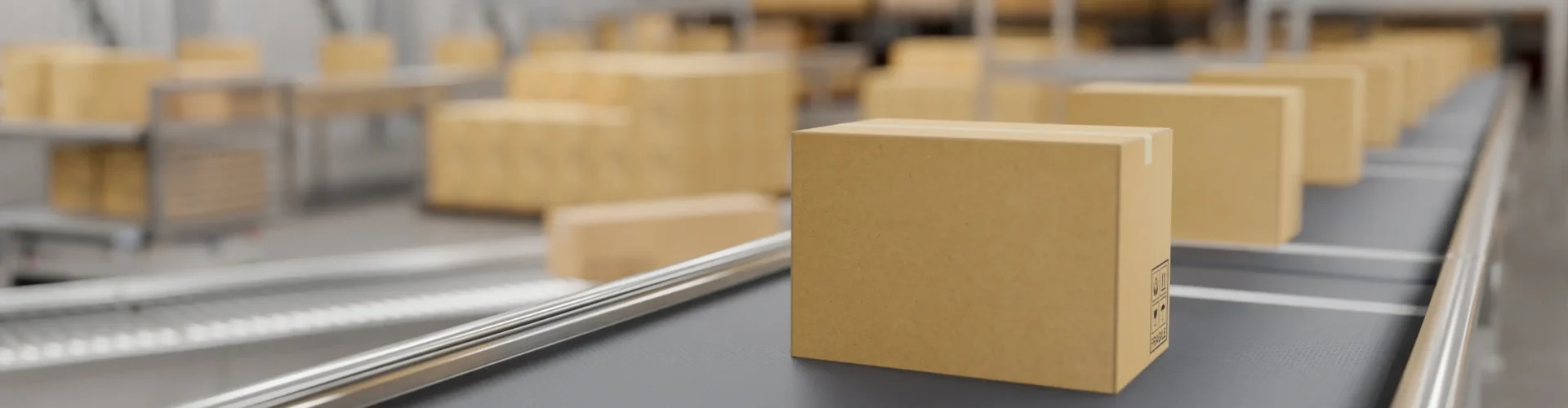
Kontrola balení hraje klíčovou roli při zajištění kvality produktu, bezpečnosti a spokojenosti zákazníků. Ať už ověřujete kompletnost výrobku, detekujete kontaminaci nebo identifikujete poškození, i malé vady mohou vést k reklamacím, stahování výrobků z trhu nebo výrobním ztrátám.
S deep learning softwarem PEKAT VISION můžete automatizovat úlohy kontroly balení, které jsou pro tradiční rule-based systémy obtížné nebo nespolehlivé. Dokážete detekovat jemné anomálie, rozpoznávat více typů objektů a ověřovat komplexní montážní či balicí procesy – vše v rámci jedné snadno použitelné platformy.
Kompletnost balení
Zajištění, že každé balení obsahuje správné komponenty, patří mezi nejběžnější a nejdůležitější úlohy kontroly balení. Chybějící nebo nesprávně umístěné položky mohou vést k nákladným vrácením zboží a nespokojeným zákazníkům.
Pomocí deep learningu můžete ověřit nejen přítomnost položek, ale také jejich typ, počet, orientaci i pořadí, v jakém jsou skládány nebo baleny. To umožňuje řešit jak jednoduché úlohy, tak složitější scénáře validace balení.
Ověření obsahu před balením
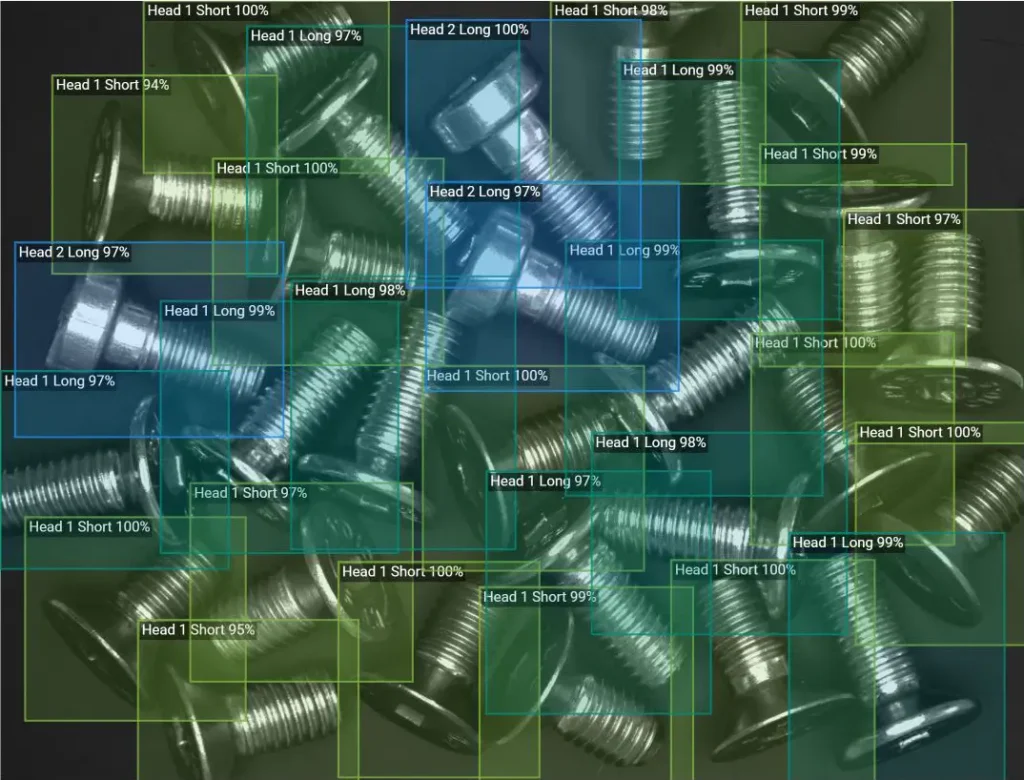
Před samotným balením je často nutné ověřit, že jsou všechny požadované komponenty přítomny a správně připraveny. To může zahrnovat identifikaci více typů objektů, jejich počítání a kontrolu správné kombinace dílů.
Pomocí modulů Detector & Classifier můžete rozpoznávat jednotlivé komponenty a v reálném čase vyhodnocovat jejich množství.
Ověření montáže před balením
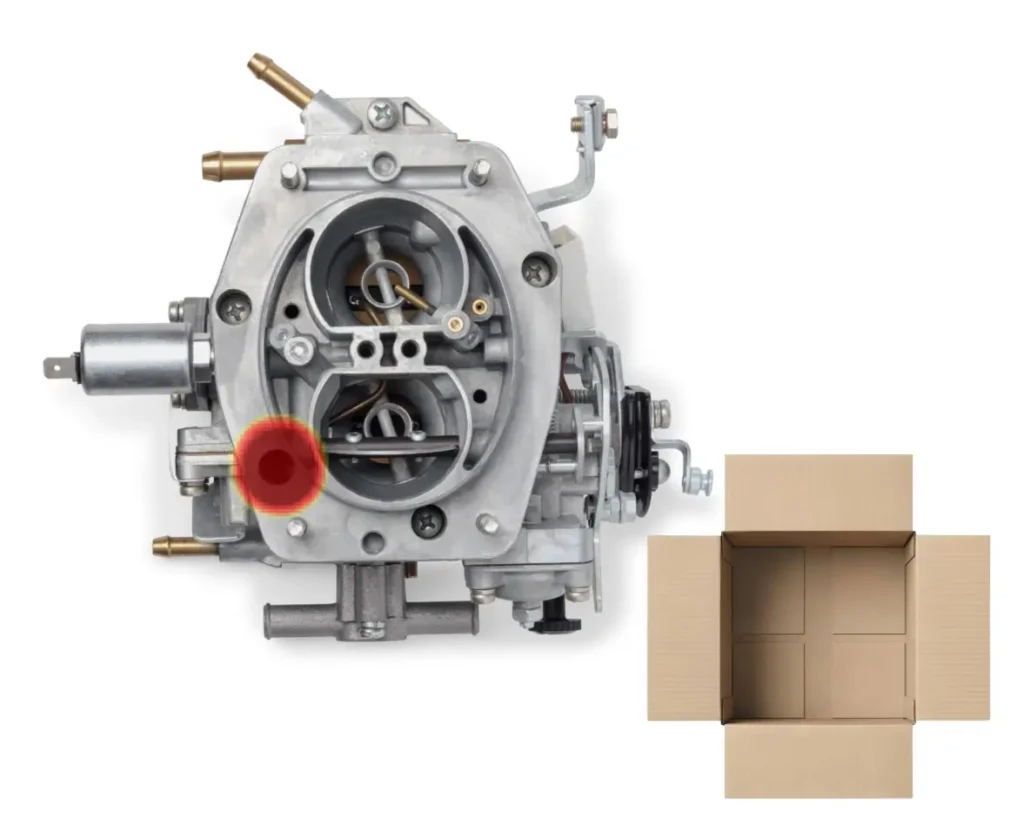
Před balením složených produktů může AI pomoci potvrdit správnost montáže. Na rozdíl od přístupů založených na detekci konkrétních komponent se modul Anomaly Detector zaměřuje na odchylky od správného stavu.
Systém se naučí, jak má správně sestavený produkt vypadat, a dokáže odhalit chybějící díly, nesprávné konfigurace nebo neočekávané změny.
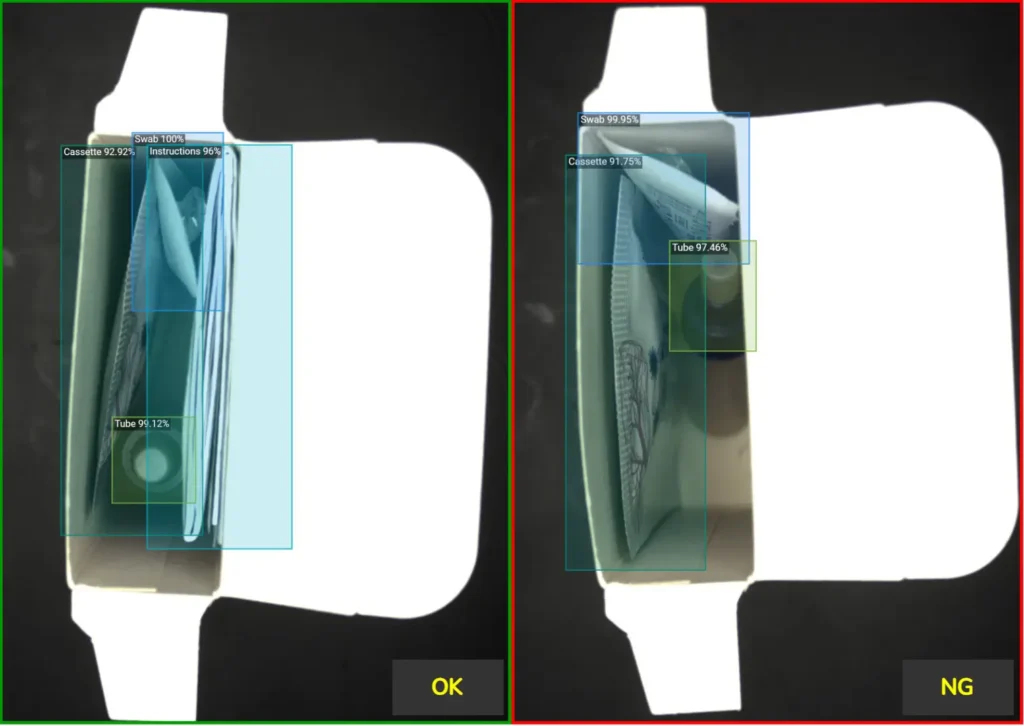
Ověření obsahu balení
Farmaceutické balení vyžaduje vysokou přesnost a spolehlivost. I jediná chybějící komponenta může mít závažné důsledky.
Pomocí modulů Detector & Classifier můžete kontrolovat i malé balíčky a potvrdit jejich kompletnost s vysokou přesností.
Ověření balení nábytku
Některé procesy vyžadují manuální skládání, kdy operátor vkládá položky do krabice krok za krokem.
PEKAT VISION ověřuje nejen přítomnost komponent, ale také jejich správné pořadí a orientaci.
Detekce kontaminace
Kontaminace v balení může zásadně ovlivnit bezpečnost produktu, poškodit reputaci značky a vést k problémům s regulací či stahování výrobků z trhu. Detekce cizích objektů je často náročná kvůli variabilitě materiálů, změnám osvětlení nebo rozdílům ve vzhledu jednotlivých produktů.
Pomocí deep learningu můžete detekovat i neočekávané kontaminanty, jejichž tvar, velikost nebo materiál není předem definován. Systém se dokáže přizpůsobit různým aplikacím napříč odvětvími, jako je potravinářství, nápojový průmysl nebo farmacie.
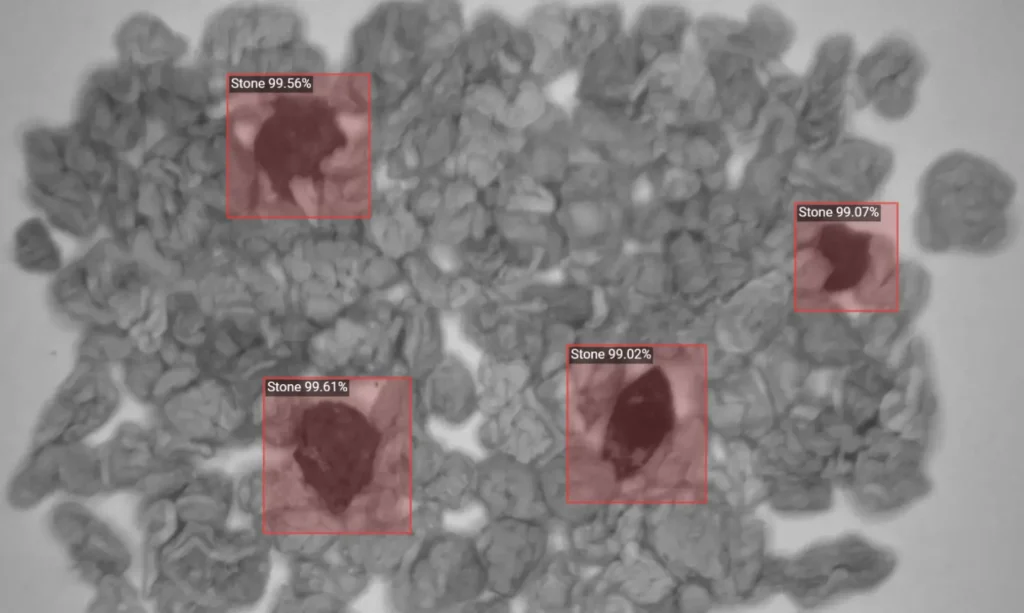
Ověření obsahu balení (sypké materiály)
V některých aplikacích je nutné ověřit čistotu balených nebo předbalených materiálů, zejména u přírodních nebo sypkých produktů.
V kombinaci s vhodnými zobrazovacími metodami, jako je NIR osvětlení, a deep learningem lze spolehlivě rozlišit mezi požadovaným materiálem a nežádoucími nečistotami. To umožňuje detekovat cizí objekty i v případech, kdy jsou vizuálně velmi podobné samotnému produktu.
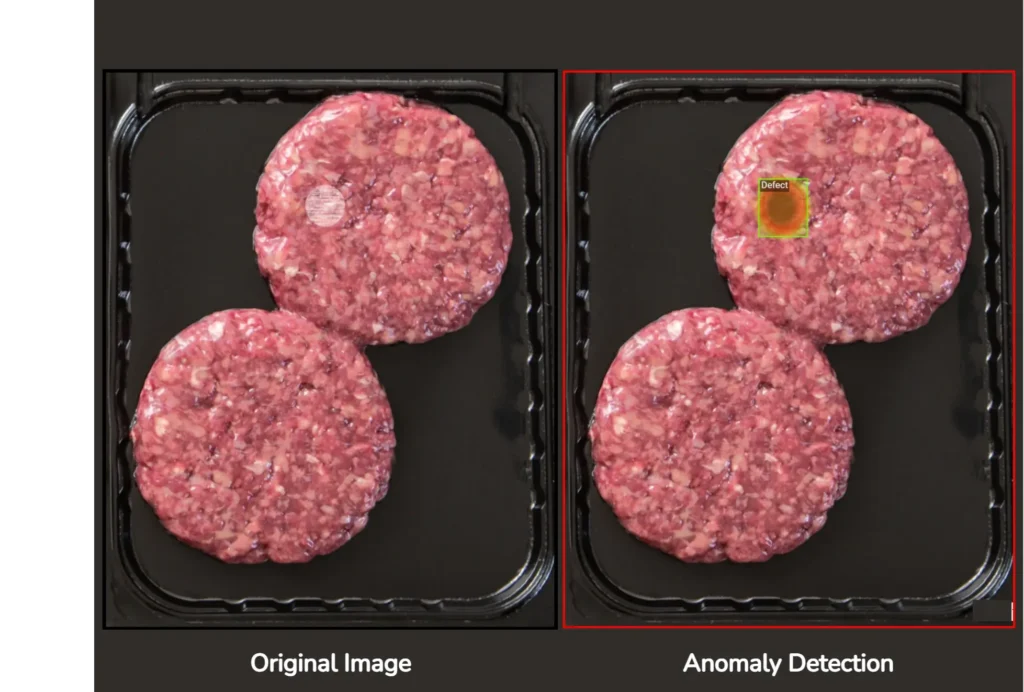
Plastová kontaminace v potravinářském balení
V potravinářství může i malý kousek plastu představovat vážné riziko pro koncového zákazníka.
Modul Anomaly Detector dokáže identifikovat neočekávané objekty uvnitř balení na základě znalosti „normálního“ vzhledu produktu. Není tedy nutné předem definovat všechny možné typy kontaminace, což výrazně zjednodušuje nasazení v praxi.
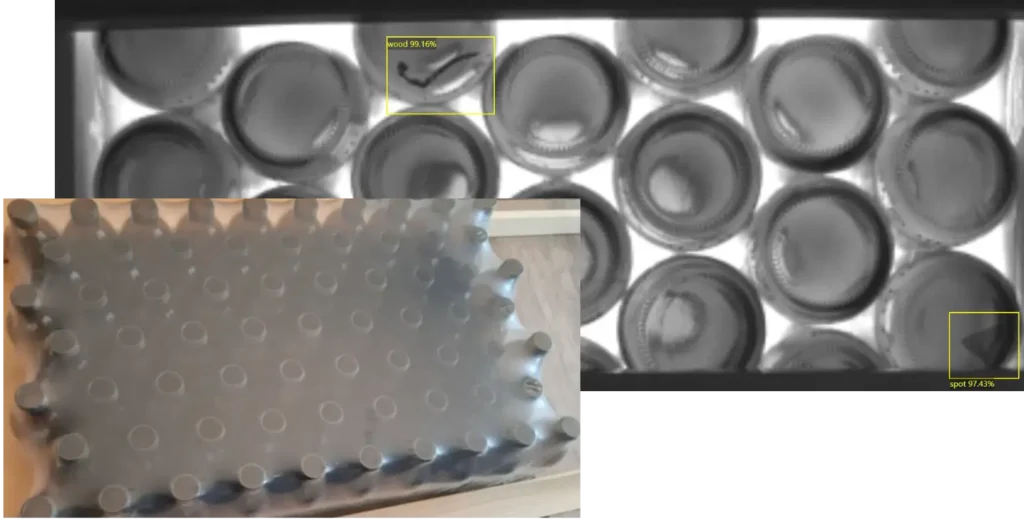
Cizí objekty ve skleněných lahvích
Transparentní obaly, jako jsou skleněné lahve, vyžadují velmi přesnou kontrolu, aby bylo zajištěno, že neobsahují žádné cizí předměty.
Pomocí modulů Detector & Classifier lze systém naučit detekovat konkrétní typy kontaminantů na základě historických dat. Zároveň dokáže rozpoznat i podobné objekty, což zvyšuje spolehlivost kontroly. Díky tomu do další fáze výroby postupují pouze čisté a bezpečné produkty.
Detekce poškození
Poškození obalu může vzniknout během manipulace, transportu nebo skladování. I drobné vady, jako jsou promáčkliny, trhliny nebo deformace, mohou negativně ovlivnit vnímání produktu zákazníkem i jeho použitelnost.
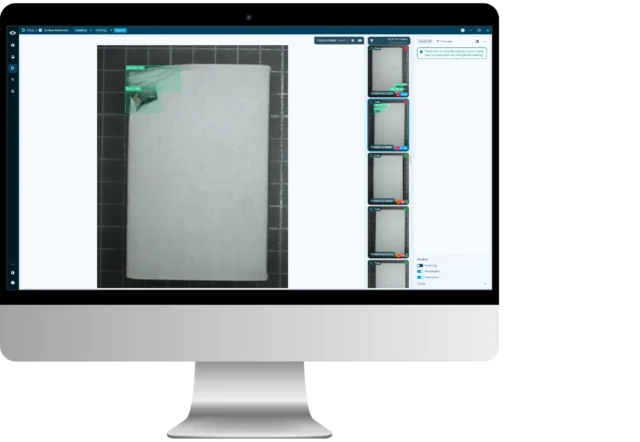
Pomocí modulu Surface Detector lze detekovat i velmi jemné povrchové vady na různých typech obalů, včetně papírových krabiček nebo jiných materiálů. Tím zajistíte, že k zákazníkovi dorazí pouze vizuálně odpovídající produkty.
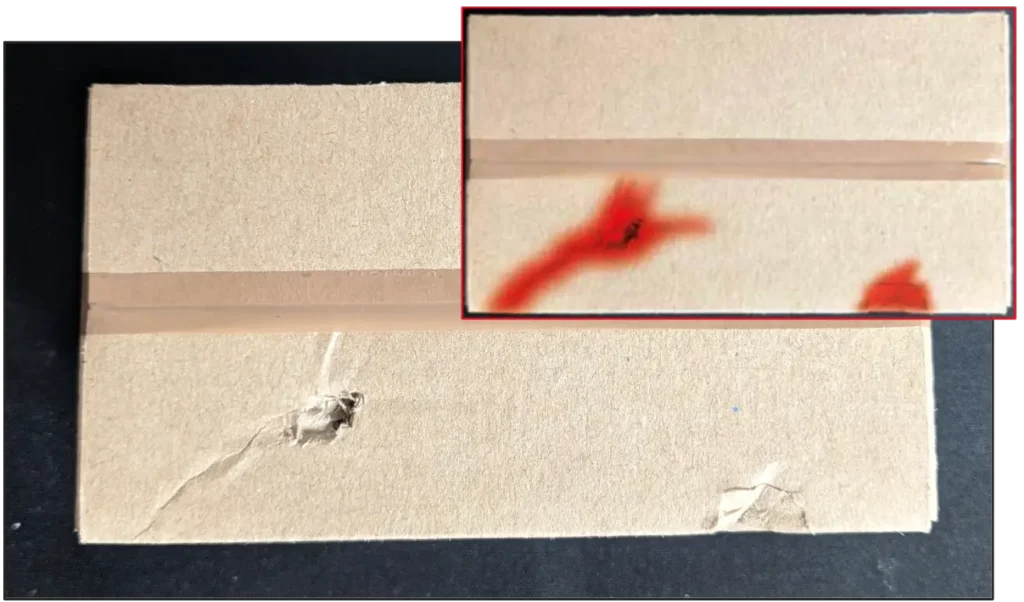
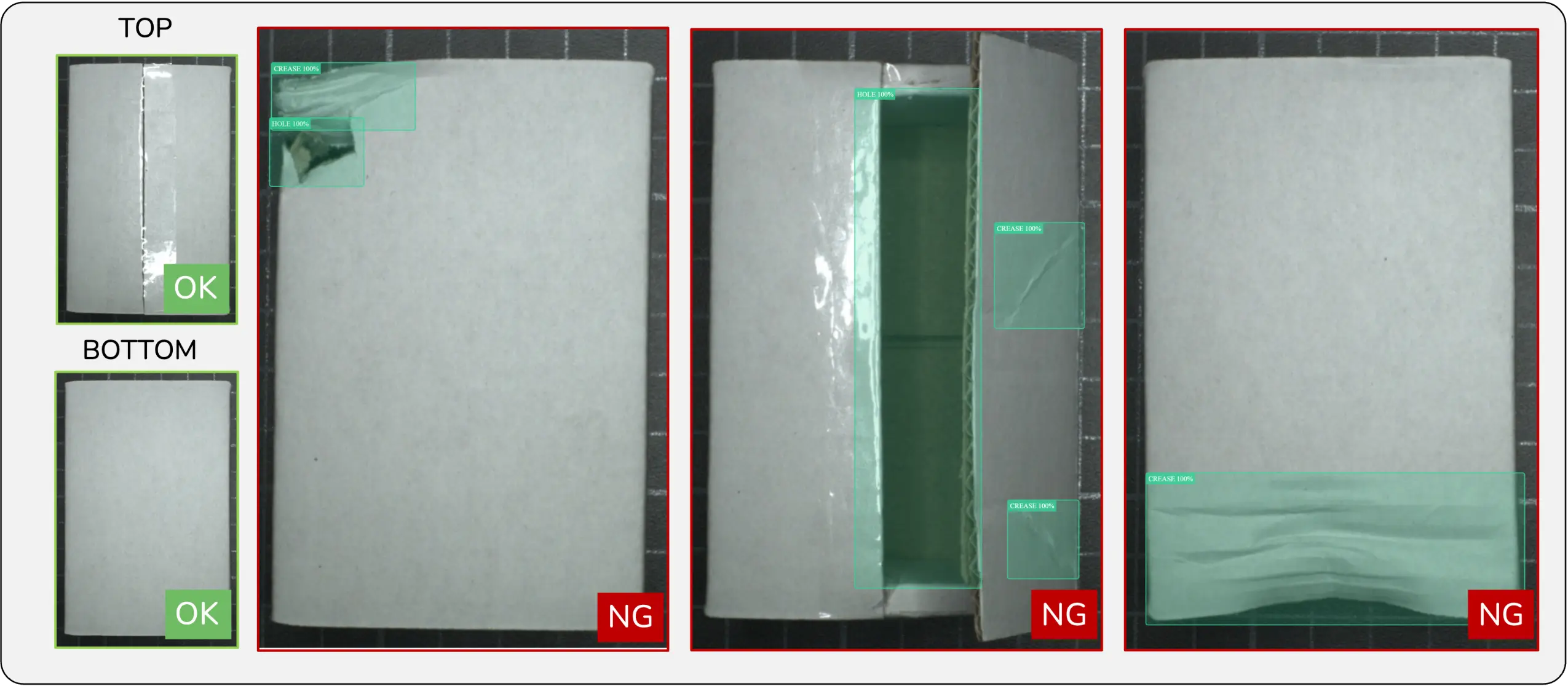
Kontrola poškozených papírových krabiček
Malé papírové krabičky jsou náchylné k různým typům poškození, jako jsou promáčkliny, škrábance nebo deformace. Tyto vady bývá obtížné spolehlivě detekovat pomocí tradičních metod.
Modul Surface Detector umožňuje automaticky identifikovat poškozená místa a zajistit konzistentní kvalitu kontroly. Systém zachytí i jemné změny povrchu, které by jinak mohly zůstat přehlédnuty.
Třídění v balicích procesech
V mnoha aplikacích úzce souvisí kontrola balení se tříděním produktů. Před balením je často nutné produkty rozdělit do kategorií, zatímco po zabalení je potřeba hotové výrobky zkontrolovat a připravit pro další manipulaci nebo distribuci.
Deep learning umožňuje klasifikovat produkty na základě tvaru, velikosti, textury nebo barvy – i v případech, kdy je přirozená variabilita vysoká. To umožňuje automatizovat úlohy, které by bylo obtížné definovat pomocí tradičních rule-based systémů.
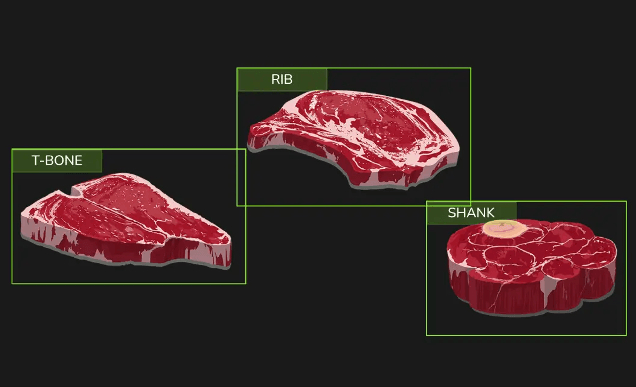
Klasifikace masa před balením
Před balením je potřeba přesně rozlišit různé typy masných výrobků, jako jsou T-bone, žebra, kližka nebo hrudí, a to i přes výrazné rozdíly ve tvaru, velikosti a vzhledu.
Pomocí modulů Detector & Classifier lze jednotlivé typy produktů spolehlivě rozpoznat na základě jejich vizuálních vlastností. Tím zajistíte správné třídění před vstupem do balicího procesu a snížíte potřebu manuální kontroly.
Klasifikace produktů po zabalení
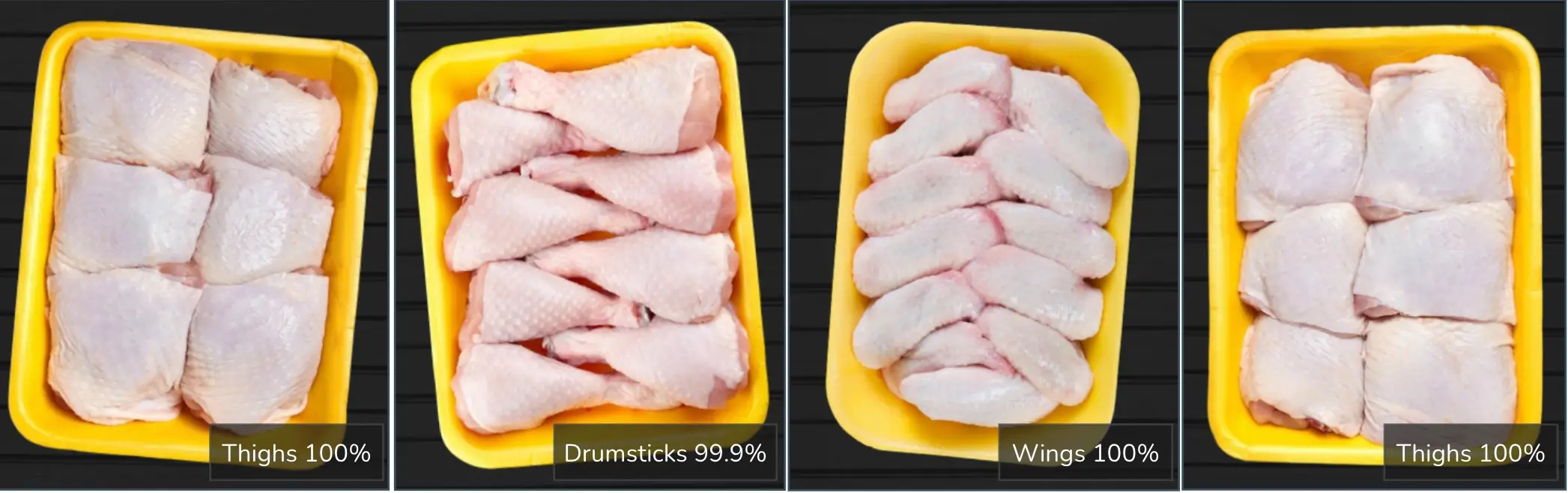
Po zabalení je často nutné produkty identifikovat a třídit pro účely logistiky nebo distribuce – například rozlišit kuřecí stehna, paličky nebo křídla.
PEKAT VISION dokáže klasifikovat produkty přímo v obalu, i když obal způsobuje odlesky, deformace nebo vizuální šum. To umožňuje automatizované třídění na konci výrobní linky a zajišťuje správné seskupení produktů pro expedici.
Požádejte o bezplatnou studii proveditelnosti
Úlohy kontroly balení se mohou výrazně lišit napříč jednotlivými odvětvími. Díky deep learningu je však můžete řešit v rámci jednoho flexibilního řešení. Ať už potřebujete ověřit kompletnost, detekovat kontaminaci nebo identifikovat poškození, PEKAT VISION vám pomůže dosáhnout spolehlivých a konzistentních výsledků i v náročných podmínkách.
Pokud zvažujete automatizaci kontroly balení, rádi vás podpoříme – neváhejte nás kontaktovat a požádat o bezplatnou studii proveditelnosti pro vaši konkrétní aplikaci.
Proč PEKAT VISION
Snadné používání i kompatibilita
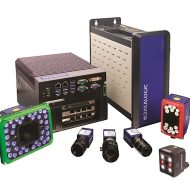
PEKAT VISION nabízí intuitivní a uživatelsky přívětivé softwarové prostředí. Již obsahuje moduly pro průmyslovou vizuální kontrolu a proto pro většinu aplikací nevyžaduje znalost programování. Je kompatibilní s mnoha značkami hardwaru, operačním systémem Windows® a funguje na vestavných zařízeních včetně chytrých kamer.
Rychlá integrace
Předdefinovaná výstupní pravidla softwaru PEKAT VISION zajistí snadný proces integrace. Kromě toho úzce spolupracujeme s řadou partnerů po celém světě, kteří vám pomohou s výběrem hardwaru na základě vašich specifických požadavků i s hladkou integrací v rámci celopodnikového systému.
Komplexní podpora
Abychom našli nejlepší možné řešení, snažíme se vždy nejprve porozumět specifickým potřebám našich zákazníků. Za cíl si klademe, aby naše řešení pro zákazníka bezchybně fungovalo. Nabízíme bezplatnou studii proveditelnosti, bezplatnou 30-ti denní zkušební verzi, zaškolení a podporu během zkušební verze i po implementaci.
A mnohem více! Požádejte o bezplatnou studii proveditelnosti pro Váš konkrétní záměr. PEKAT VISION je vysoce versatilní a lze jej přizpůsobit tak, aby vyhovoval téměř jakémukoli požadovanému využití.
Spojte se s námi
Potřebujete více informací? Dejte nám vědět, odpovíme vám na jakékoli dotazy.
PEKAT VISION je součástí společnosti Datalogic

