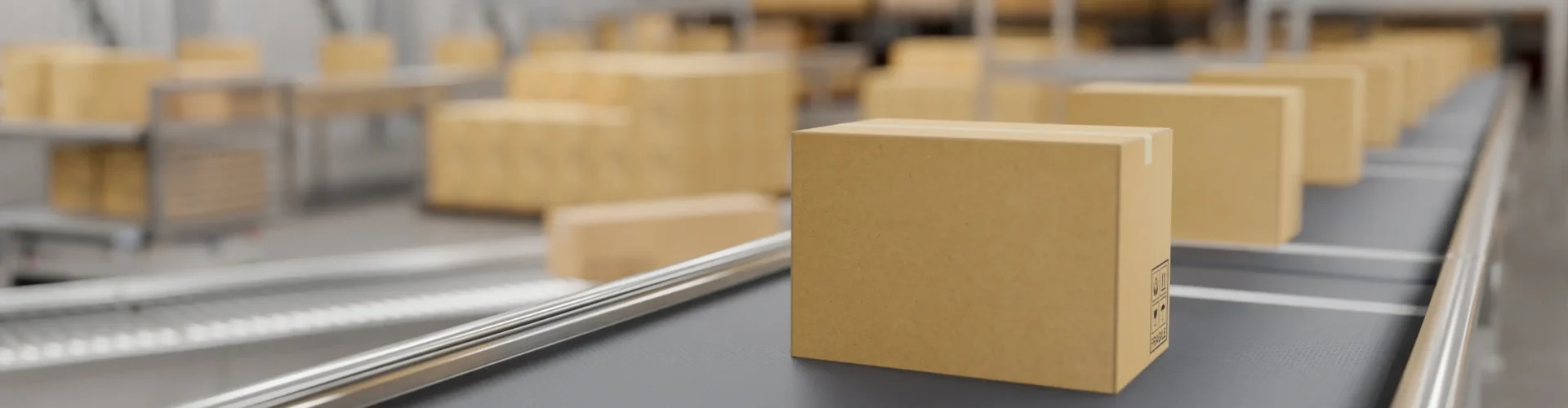
包装検査は、製品の品質、安全性、そして顧客満足度を確保する上で重要な役割を果たします。内容物の完全性確認、異物の検出、損傷の識別など、どの工程においても、わずかな不良がクレームやリコール、生産ロスにつながる可能性があります。
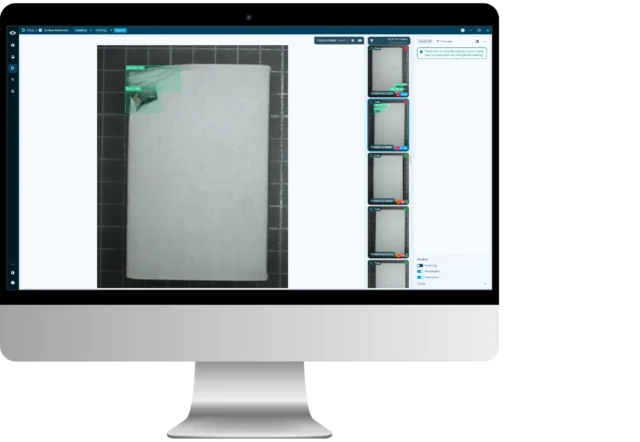
PEKAT VISIONのディープラーニングソフトウェアを活用することで、従来のルールベースシステムでは対応が難しい、または安定性に課題のある包装検査を自動化できます。微細な異常の検出、複数オブジェクトの認識、複雑な組立・包装プロセスの検証を、単一の使いやすいプラットフォームで実現します。
完全性検査
すべてのパッケージに正しい構成部品が含まれていることを確認することは、最も一般的で重要な検査項目です。部品の欠品や誤配置は、返品コストの増加や顧客満足度の低下につながります。
ディープラーニングを活用すれば、単なる有無の確認だけでなく、部品の種類、数量、向き、さらには組立や梱包の順序まで検証できます。これにより、単純なカウント処理から複雑な検証シナリオまで柔軟に対応可能です。
包装前の内容確認
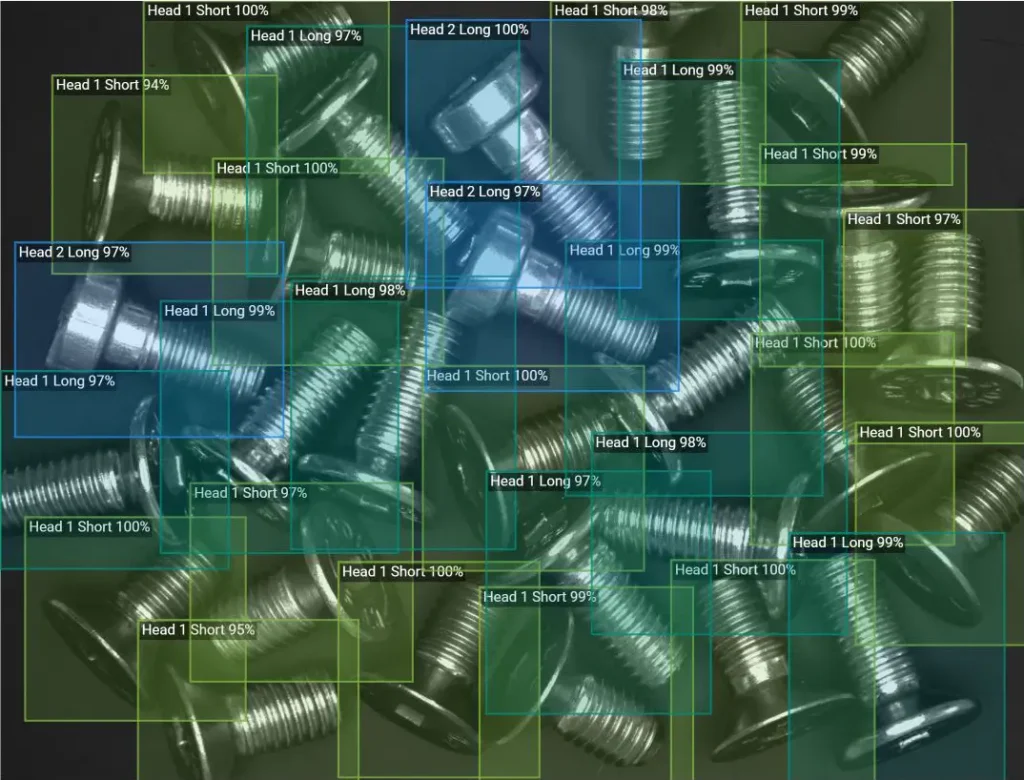
包装前には、必要なすべての部品が揃っており、正しく準備されているかを確認する必要があります。これには、複数のオブジェクトの識別、数量カウント、正しい組み合わせの確認が含まれます。
Detector & Classifierモジュールを使用することで、各部品を認識し、その数量をリアルタイムで評価できます。特定の部品を事前に確認する必要がある構造化された工程に最適です。
包装前の組立検証
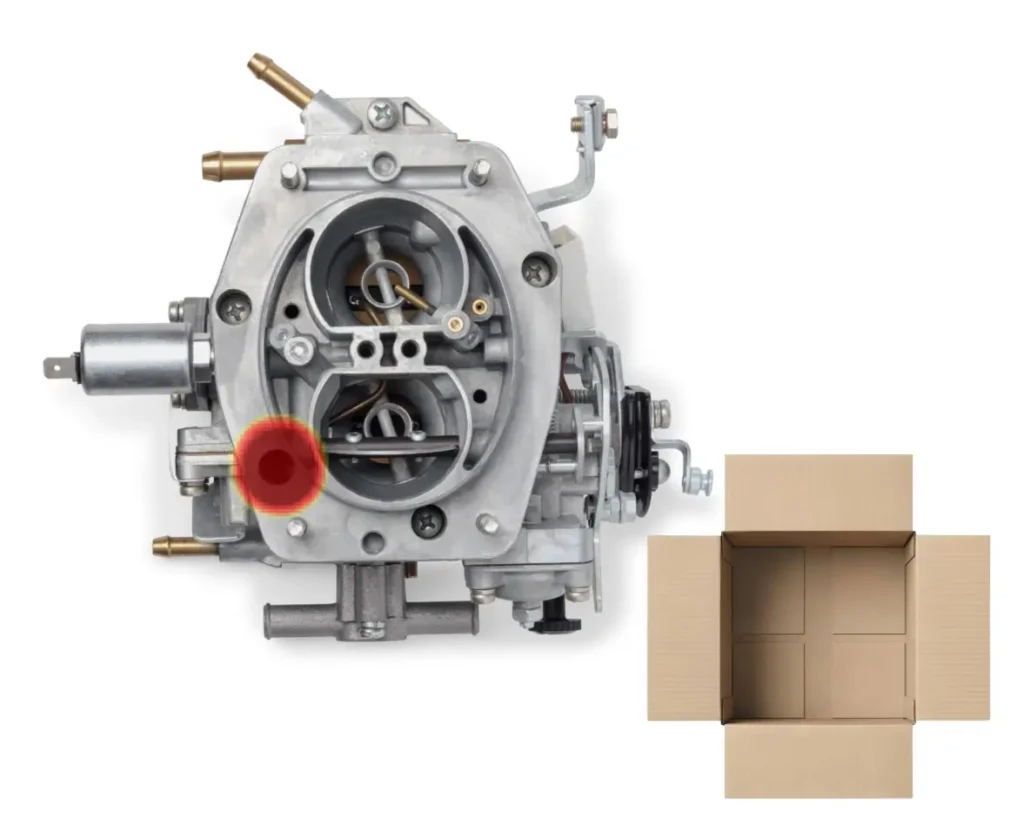
複数部品から構成される製品では、包装前に正しく組み立てられているかを確認することが重要です。特定の部品検出に依存する方法とは異なり、Anomaly Detectorモジュールは正常状態からの逸脱を検出します。
システムは「正しい状態」を学習し、欠品、誤った構成、予期しない変化を検出できます。キャブレターのような複雑な組立にも対応可能です。
包装内容の検証
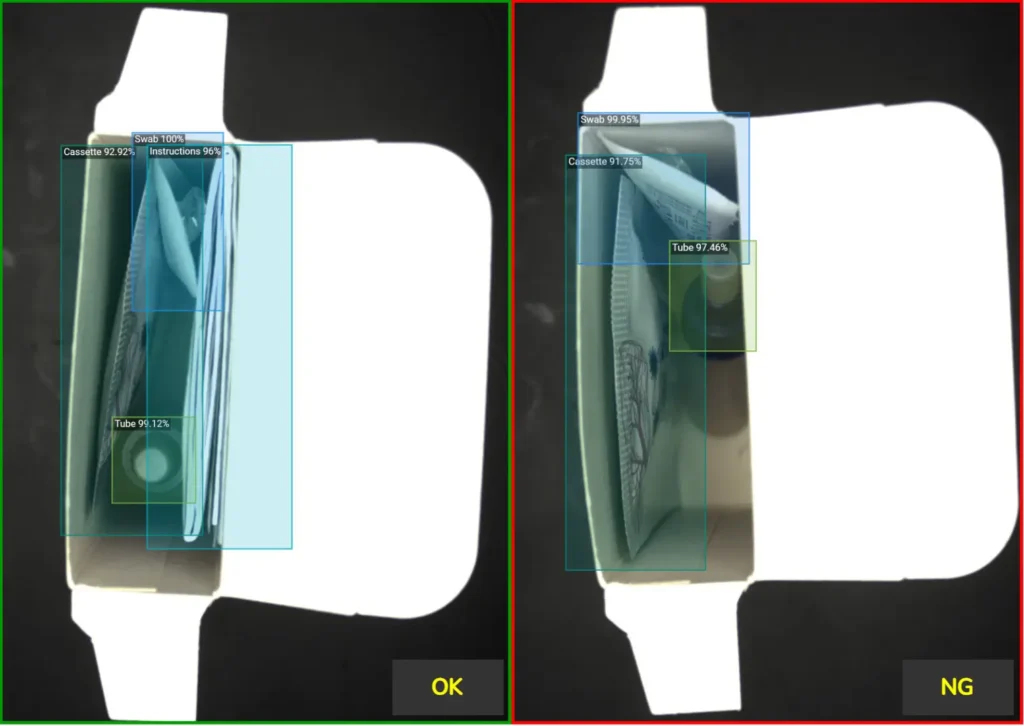
医薬品分野では、高い精度と信頼性が求められます。わずかな欠品でも重大な問題につながる可能性があります。
Detector & Classifierモジュールを使用すれば、小型パッケージであっても高精度に検査し、すべての必要な部品が含まれていることを確認できます。複数の部品を識別し、厳しい品質基準に対応します。
家具包装の検証
一部の包装工程では、作業者が手作業で部品を順番に箱へ投入するケースがあります。
PEKAT VISIONは、各部品の有無だけでなく、投入順序や向きも検証します。これにより、定められた手順通りの作業を確実に実行でき、ミスの削減と教育の効率化につながります。
異物検出
包装内の異物は、製品の安全性を損ない、ブランド価値の低下や規制上の問題を引き起こす可能性があります。材料や照明条件、外観のばらつきにより、異物検出は難しい課題です。
ディープラーニングを活用することで、形状・サイズ・材質が事前に定義されていない異物であっても検出可能になります。食品、飲料、医薬品など幅広い分野で柔軟に適用できます。
バルク材料の内容検査
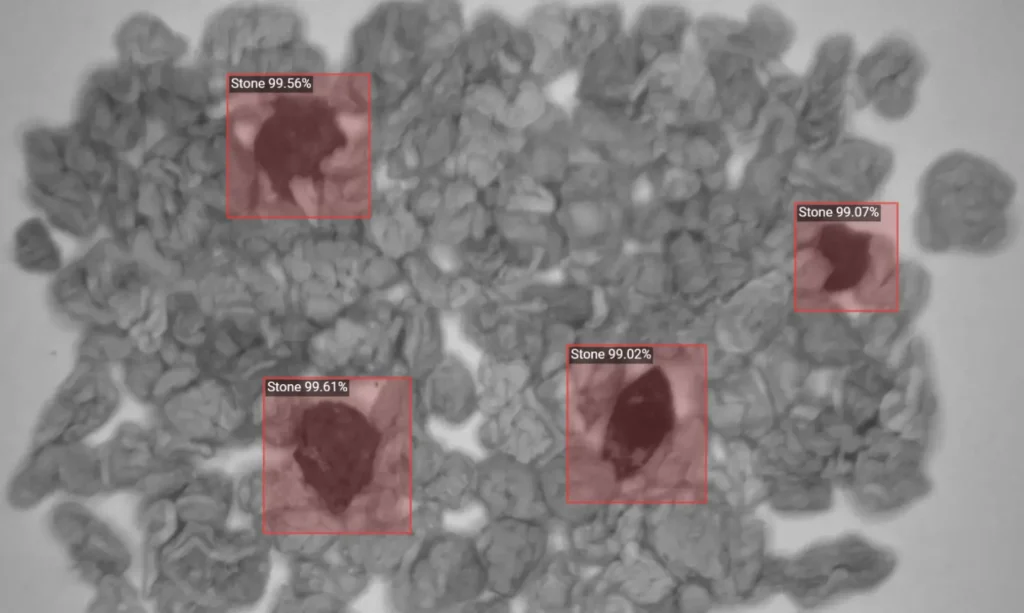
天然素材やバルク製品では、包装前後に純度を確認する必要があります。
NIR照明などの適切な撮像技術とディープラーニングを組み合わせることで、目的物と異物を高精度に識別できます。見た目が似ている場合でも、異物を確実に検出できます。
食品包装におけるプラスチック異物
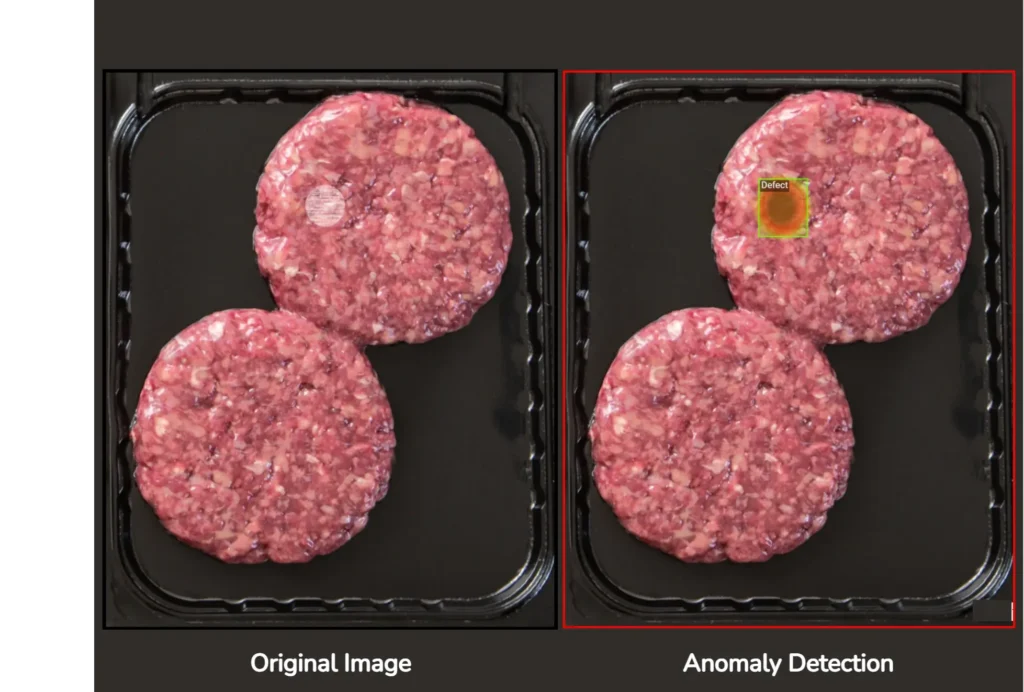
食品分野では、小さなプラスチック片でも重大なリスクとなります。
Anomaly Detectorモジュールは、製品の正常状態を学習することで異常な対象を検出します。すべての異物パターンを事前に定義する必要がなく、導入を簡素化できます。
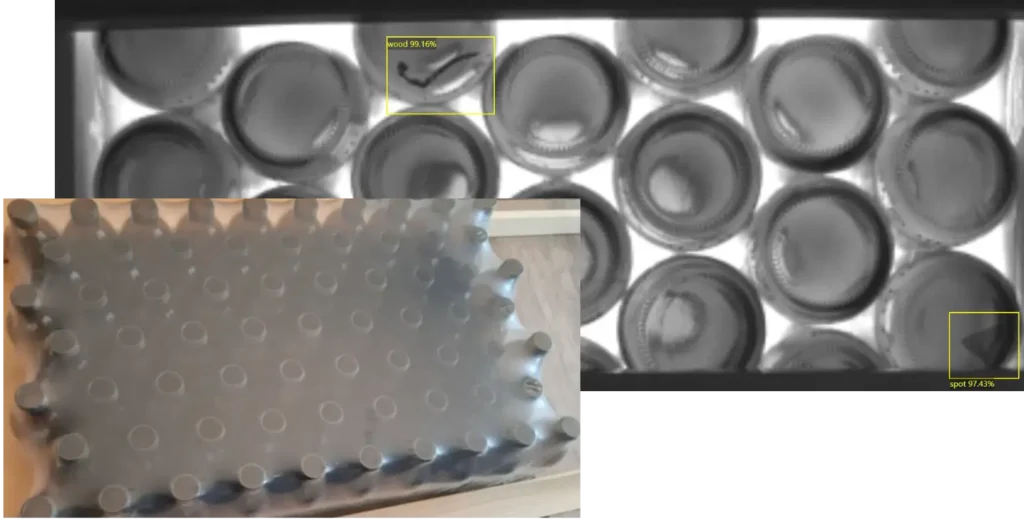
ガラス瓶内の異物検出
ガラス瓶のような透明容器では、内部に異物がないことを高精度に確認する必要があります。
Detector & Classifierモジュールにより、既知の異物を学習しつつ、類似した対象も検出可能です。これにより、安全で清潔な製品のみが次工程へ進みます。
損傷検出
包装は搬送や保管の過程で損傷を受ける可能性があります。わずかなへこみや破れ、変形であっても、製品の印象や使用性に影響を与えます。
Surface Detectorモジュールを使用することで、紙箱などの包装表面における微細な欠陥も検出可能です。これにより、外観品質を確実に維持できます。
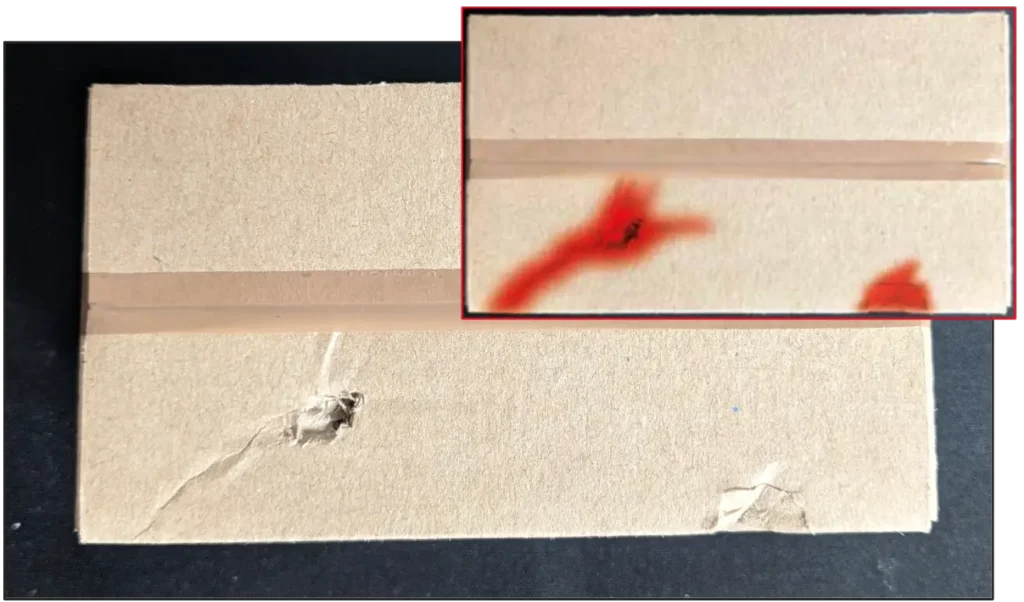
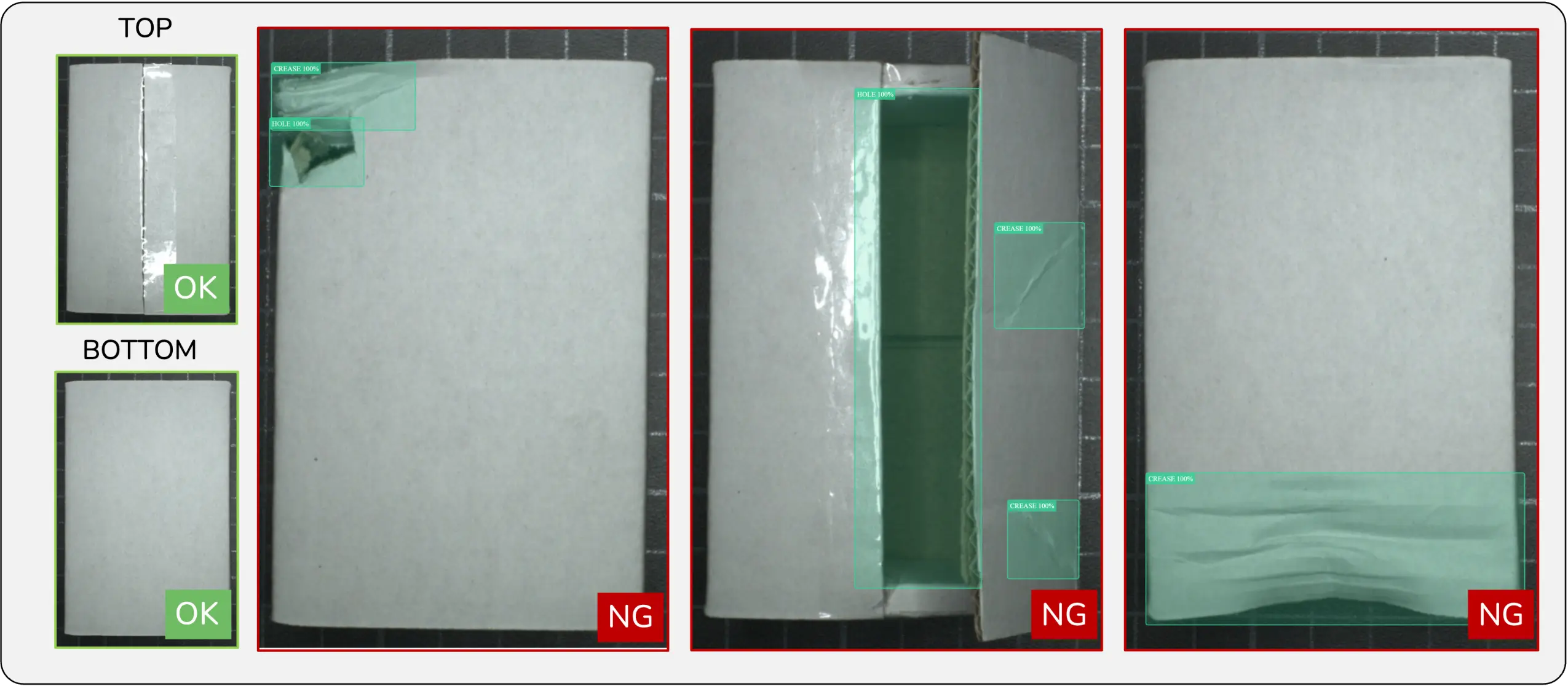
紙箱の損傷検査
小型の紙箱は、へこみや傷、変形が発生しやすく、従来手法では安定した検出が困難です。
Surface Detectorモジュールは損傷箇所を自動的に検出し、安定した品質管理を実現します。わずかな表面変化も見逃しません。
包装工程における仕分け
多くの現場では、包装検査と仕分け工程が密接に関連しています。包装前には分類が必要であり、包装後には物流や出荷のための確認・仕分けが行われます。
ディープラーニングを活用すれば、形状、サイズ、質感、色などに基づいて製品を分類できます。ばらつきが大きい場合でも対応可能で、ルールベースでは難しい処理を自動化できます。
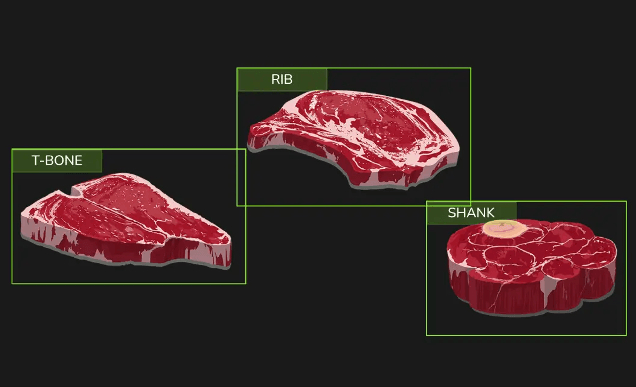
包装前の食肉分類
包装前には、Tボーン、リブ、すね肉、ブリスケットなど、形状や外観が大きく異なる製品を正確に分類する必要があります。
Detector & Classifierモジュールにより、視覚的特徴に基づいて各製品を確実に識別できます。これにより、正確な仕分けと作業効率の向上を実現します。
包装後の製品分類
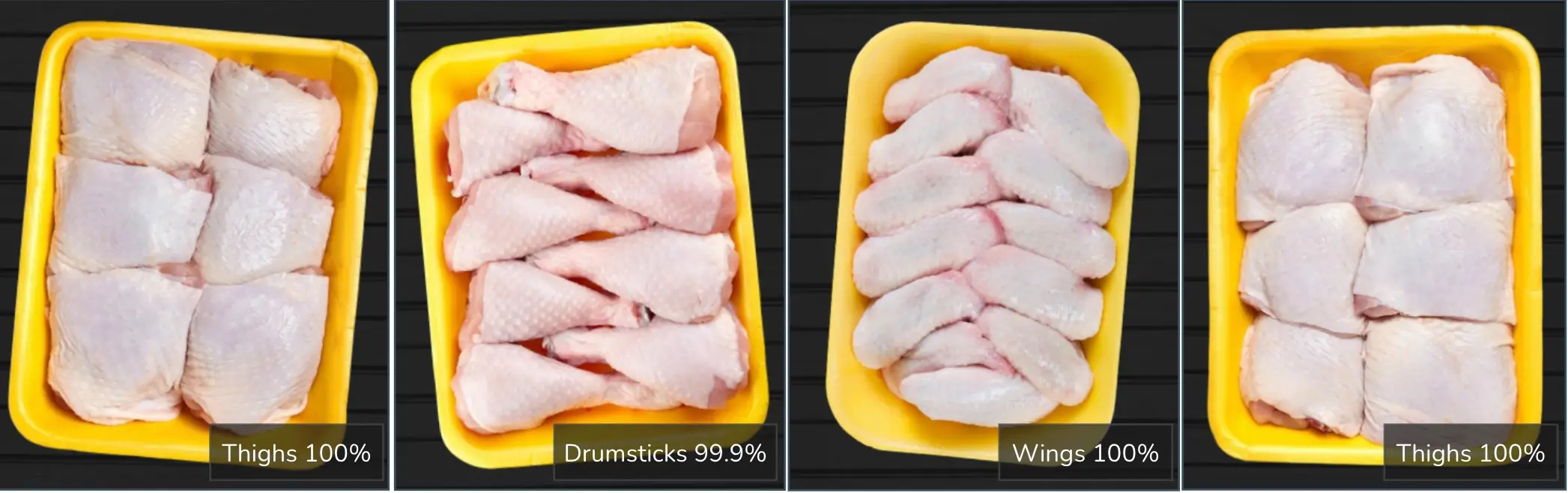
包装後には、鶏もも肉、ドラムスティック、ウィングなどの製品を識別し、物流や出荷のために仕分ける必要があります。
PEKAT VISIONは、包装材による反射や変形、ノイズがあっても安定して分類を行います。これにより、ライン終端での自動仕分けを実現し、正確な出荷につなげます。
無料フィージビリティスタディのご案内
包装検査の要件は業界によって大きく異なりますが、ディープラーニングを活用することで、これらを一つの柔軟なソリューションで対応できます。
完全性確認、異物検出、損傷検出など、PEKAT VISIONは厳しい条件下でも安定した検査結果を提供します。
包装検査の自動化をご検討中の方は、ぜひお気軽にご相談ください。お客様のアプリケーションに合わせた無料のフィージビリティスタディをご提供いたします。
PEKAT VISIONを選ぶ理由
使いやすさと互換性
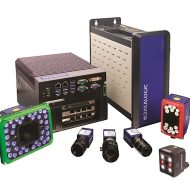
直感的な操作が可能なユーザーフレンドリーなソフトウェア環境を提供しています。産業用外観検査に必要なモジュールが揃っており、プログラミング知識は不要です。また、PEKAT VISIONは様々なハードウェアブランド、Windows®とLinux®オペレーティングシステムと互換性があり、組み込み機器でも動作します。
容易なシステム統合
結果に応じた「出力ルール」を定義できますので、システムへの統合がスムーズにできます。また、私たちは世界中の多くのパートナーと緊密に連携しており、お客様の特定の要件に基づいたハードウェアの選択や、システムへのスムーズな統合を支援いたします。
包括的なサポート

我々は、最適な解決策をご提案するために常にお客様の具体的な課題を理解することに努めています。お客様にとって本当に効果のあるソリューションを提供することが目標です。我々は無料のフィジビリティスタディ(実現可能性の調査)や30日間無償トライアル、そしてトライアル時・導入時サポート等のサービスをご提供しています。
是非、お問い合わせください! 御社の具体的なケースについて無償で
フィジビリティスタディ(実現可能性調査)を行います。PEKAT VISIONは
汎用性が高く、さまざまな用途に合わせてカスタマイズが可能です。
PEKAT VISION は Datalogic のグループ会社です

