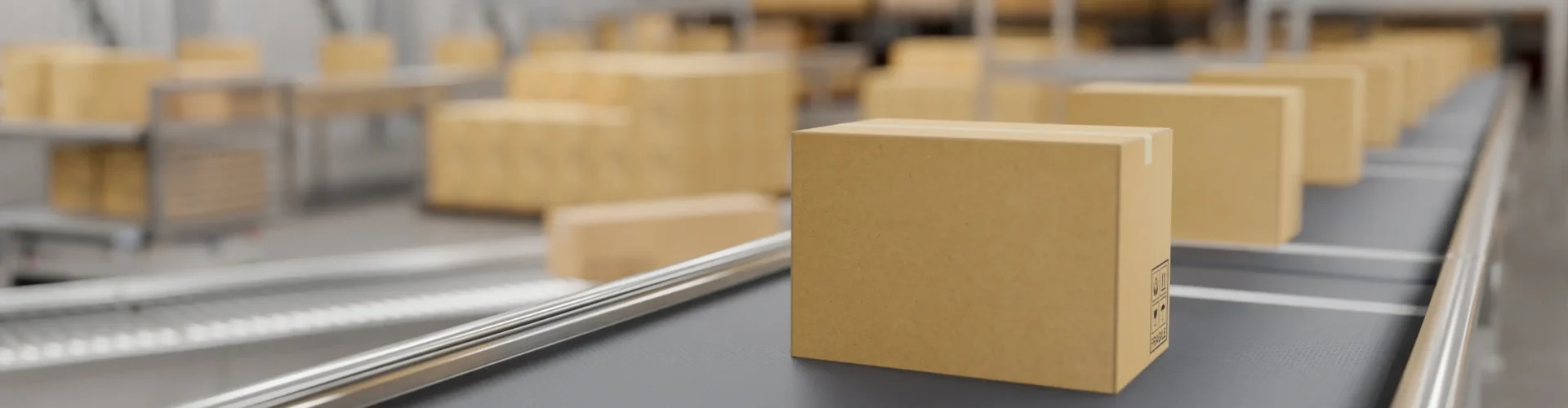
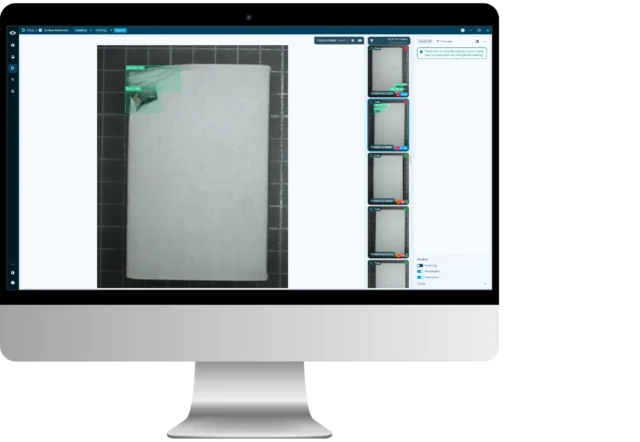
Packaging inspection plays a critical role in ensuring product quality, safety, and customer satisfaction. Whether you are verifying product completeness, detecting contamination, or identifying damage, even small defects can lead to complaints, recalls, or production losses.
With PEKAT VISION deep learning software, you can automate packaging inspection tasks that are difficult or unreliable with traditional rule-based systems. You can detect subtle anomalies, recognize multiple object types, and verify complex assembly or packaging processes—all with a single, easy-to-use platform.
Completeness Inspection
Ensuring that every package contains the correct components is one of the most common and essential packaging inspection tasks. Missing or incorrectly placed items can lead to costly returns and dissatisfied customers.
With deep learning, you can verify not only the presence of items, but also their type, count, orientation, and even the sequence in which they are assembled or packed. This allows you to handle both simple counting tasks and more complex packaging validation scenarios.
Pre-packaging Content Verification
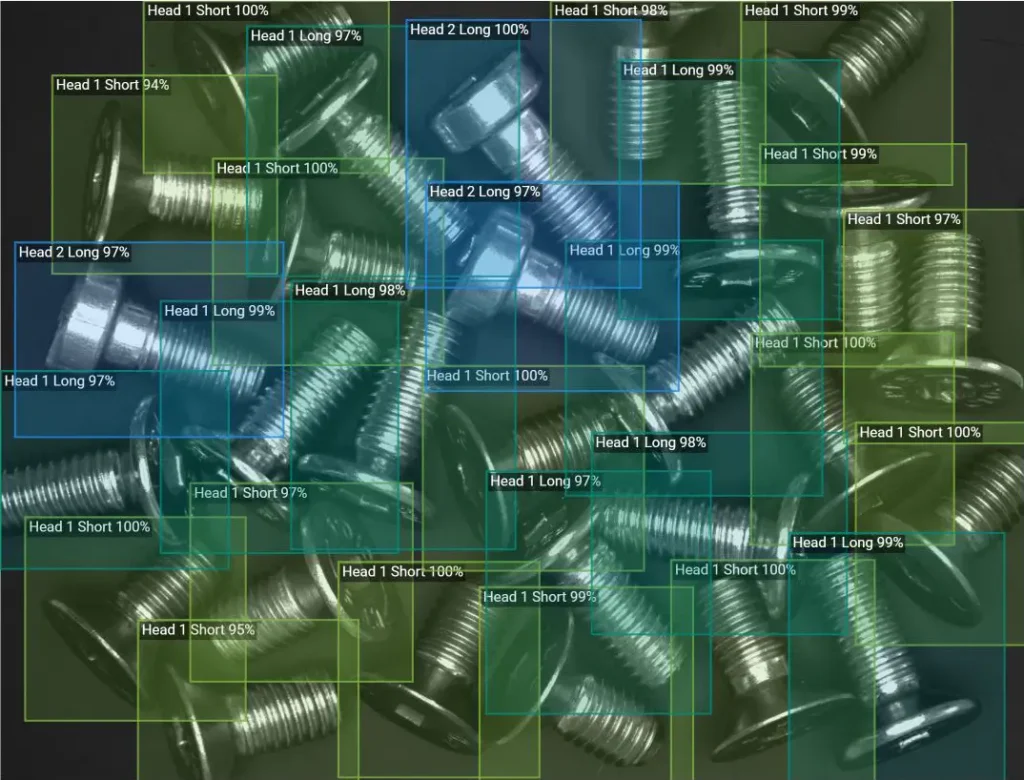
Before packaging, it is often necessary to verify that all required components are present and correctly prepared. This may involve identifying multiple object types, counting them, and ensuring the correct combination of parts.
Using the Detector & Classifier modules, you can recognize individual components and evaluate their quantity in real time. This approach is ideal for structured scenarios where specific parts need to be identified and verified before they are packed.
Pre-packaging Assembly Verification
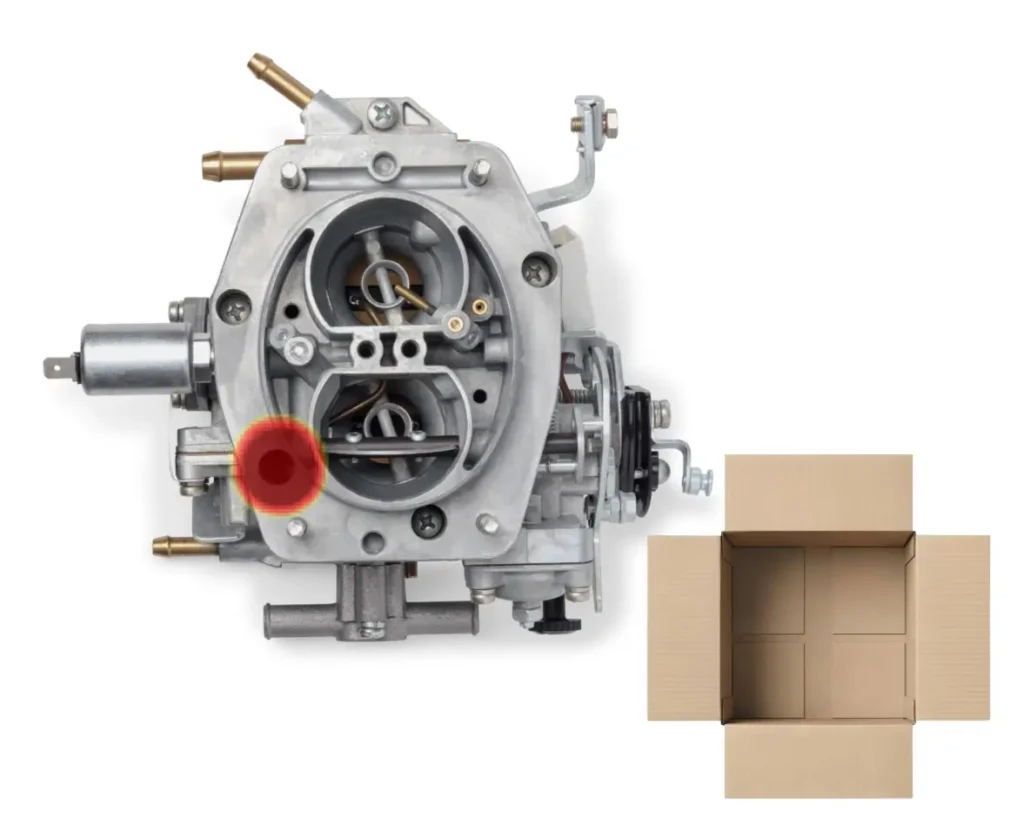
Before packing products assembled from multiple parts, AI can help confirm flawless assembly. In contrast to scenarios where the software is trained to detect specific components, the Anomaly Detector module focuses on identifying deviations from a correct assembly.
This means you do not need to define or label every individual part. Instead, the system learns what a properly assembled product looks like and can detect missing components, incorrect configurations, or unexpected changes—even in complex assemblies such as carburetors.
Packaging Content Verification
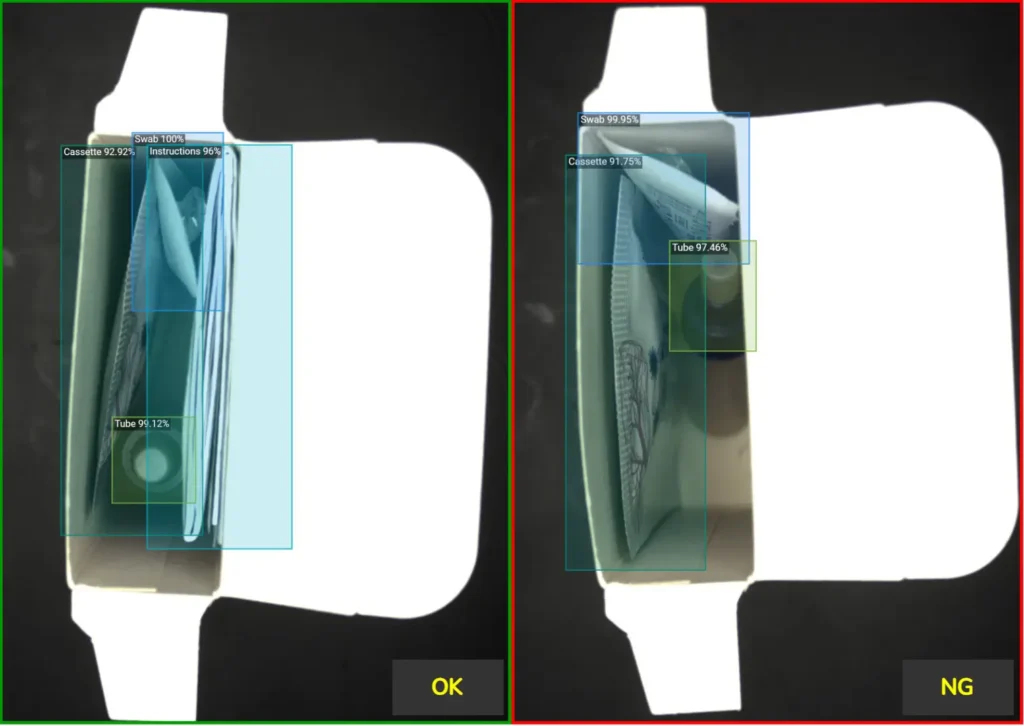
Pharmaceutical packaging requires high precision and reliability. Even a single missing component can have serious consequences.
Using the Detector & Classifier modules, you can inspect even small packages to confirm that all required items are present. The system can distinguish between multiple components and validate completeness with high accuracy, supporting strict quality standards.
Furniture Packaging Verification
Some packaging processes require manual assembly, where an operator places items into a box step by step. In this example, parts of an armchair are inserted one by one.
PEKAT VISION verifies not only the presence of each component, but also its correct order and orientation. This ensures that the packaging process follows the defined sequence, reducing errors and simplifying operator training.
Contamination Detection
Contamination in packaging can compromise product safety, damage brand reputation, and lead to regulatory issues. Detecting foreign objects is often challenging due to variability in materials, lighting conditions, and object appearance.
With deep learning-based packaging inspection, you can detect unexpected contaminants even when their shape, size, or material is not predefined. This makes the system highly adaptable across industries such as food, beverage, and pharmaceuticals.
Packaging Content Verification (Bulk Materials)
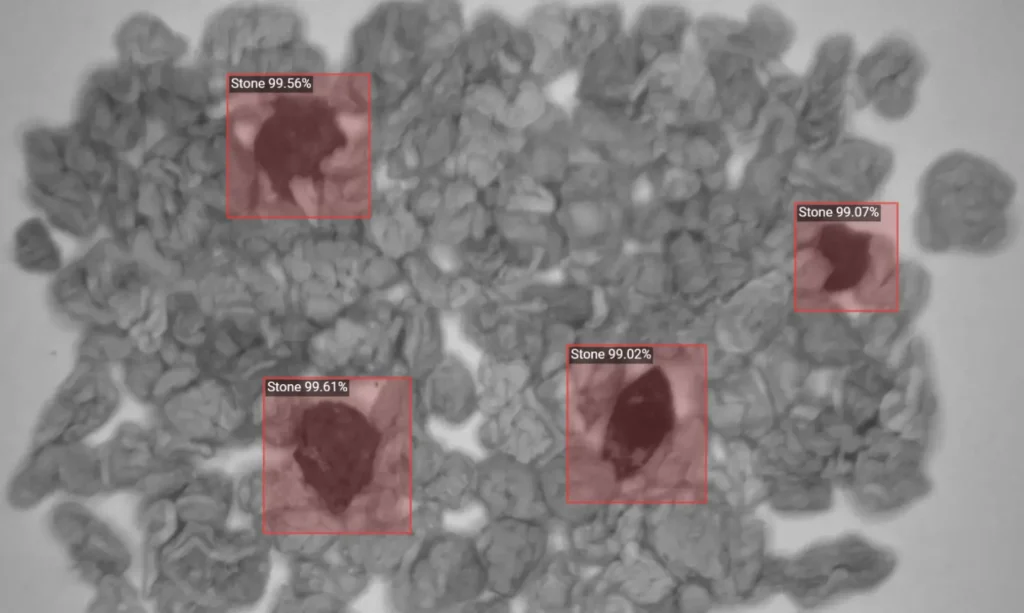
In some applications, it is necessary to verify the purity of packaged or pre-packaged materials, especially when dealing with natural or bulk products.
With appropriate imaging techniques, such as NIR illumination, combined with deep learning, you can distinguish between desired materials and unwanted contaminants. This enables reliable detection of foreign objects even when they are visually similar to the product itself.
Plastic Contamination in Food Packaging
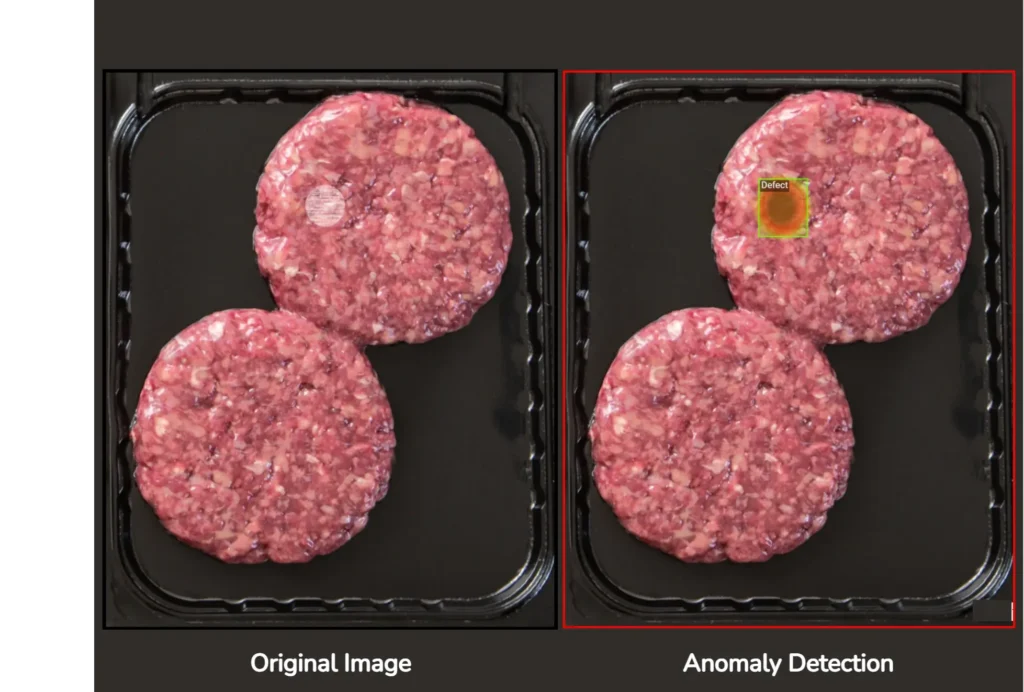
In food packaging, even a small piece of plastic can pose a serious risk. In this example, the Anomaly Detector module identifies an unexpected object inside a hamburger package.
Because the system learns the normal appearance of the product, it can detect contamination without requiring a predefined model of every possible foreign object.
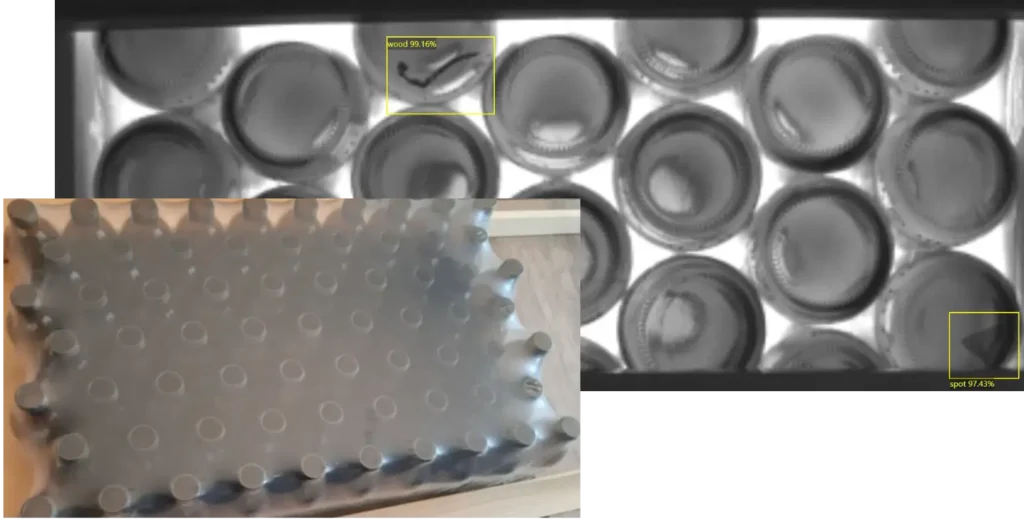
Foreign Objects in Glass Bottles
Transparent containers, such as bottles, require precise inspection to ensure they are free from foreign objects. In this example, a small piece of wood and another contaminants are detected at the bottom of a bottle.
Using the Detector & Classifier modules, the system is trained on specific contaminants encountered in the past, but can also identify similar items. This ensures that only clean and safe products proceed to the next stage.
Damage Detection
Packaging damage can occur during handling, transport, or storage. Even minor defects, such as dents, tears, or deformations, can affect product perception and usability.
With the Surface Detector module, you can identify subtle defects on packaging materials, including paper boxes and other surfaces. This ensures that only visually acceptable products reach the customer.
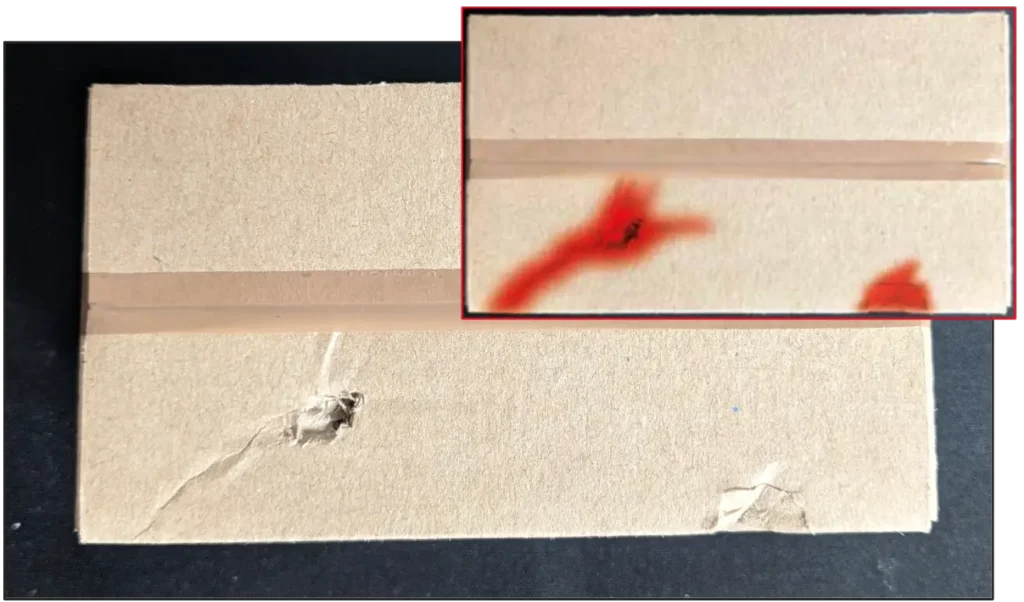
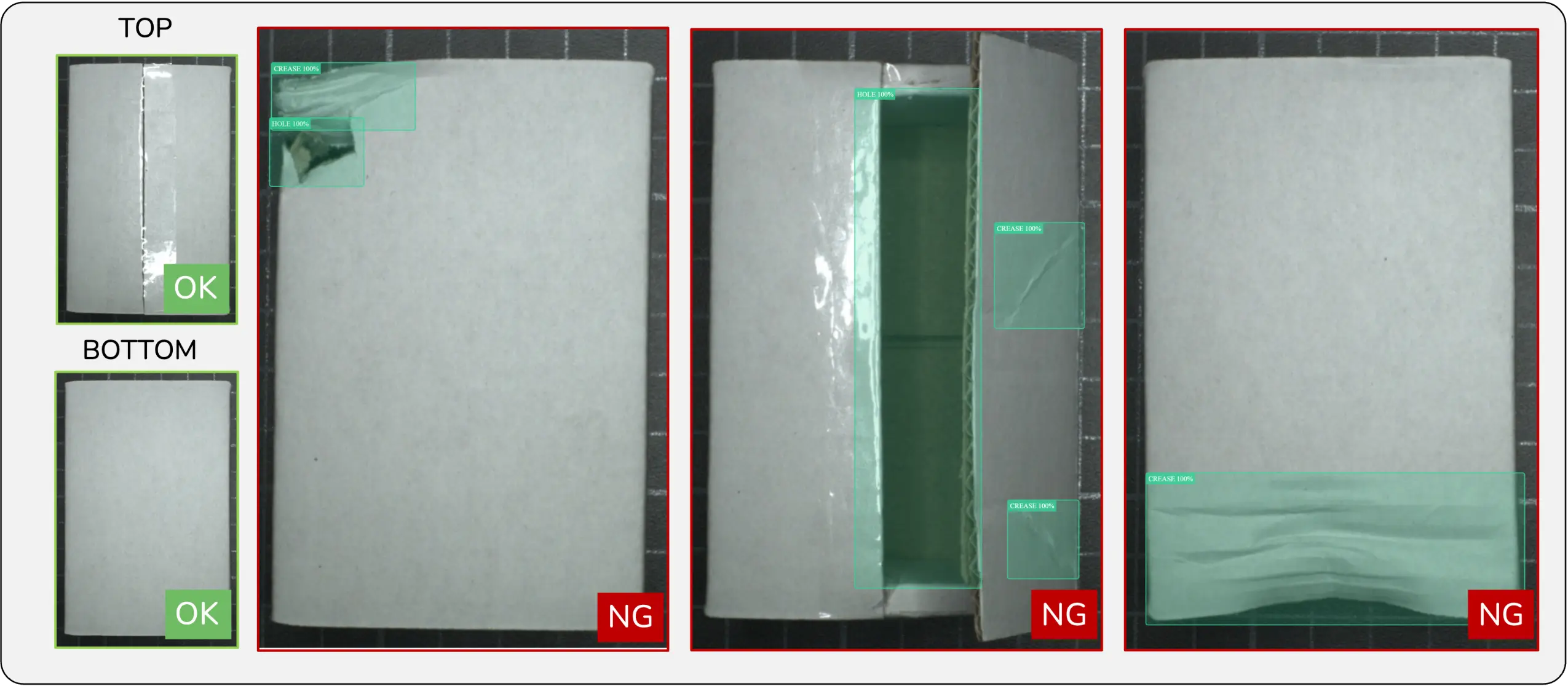
Damaged Paper Box Inspection
Small paper boxes can easily develop defects such as dents, scratches, or deformations. These imperfections may be difficult to detect consistently with traditional methods.
Using the Surface Detector module, you can automatically identify damaged areas and ensure consistent quality standards. The system detects even subtle surface changes, helping you maintain a high level of packaging quality.
Sorting for Packaging Processes
In many applications, packaging inspection is closely connected with sorting. Before packaging, products often need to be classified into categories, while after packaging, finished goods may need to be verified and sorted for further handling or distribution.
With deep learning, you can classify products based on shape, size, texture, or color—even when natural variability is high. This allows you to automate sorting tasks that are difficult to define using traditional rule-based systems.
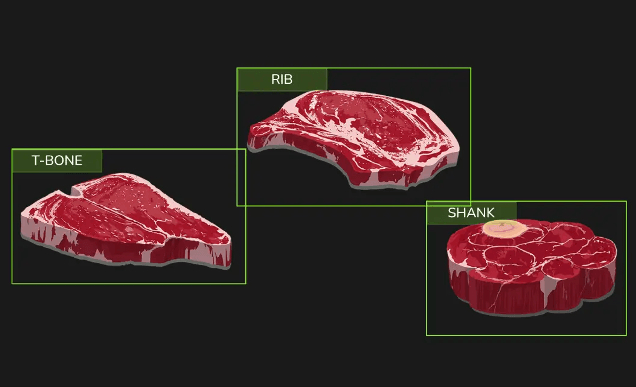
Pre-packaging Meat Classification
Before packaging, meat products such as T-bone, rib, shank, or brisket need to be accurately classified despite significant variations in shape, size, and appearance.
Using the Detector & Classifier modules, you can reliably distinguish between different product types based on visual characteristics. This ensures that each product is correctly sorted before entering the packaging process, improving consistency and reducing manual effort.
Post-packaging Product Classification
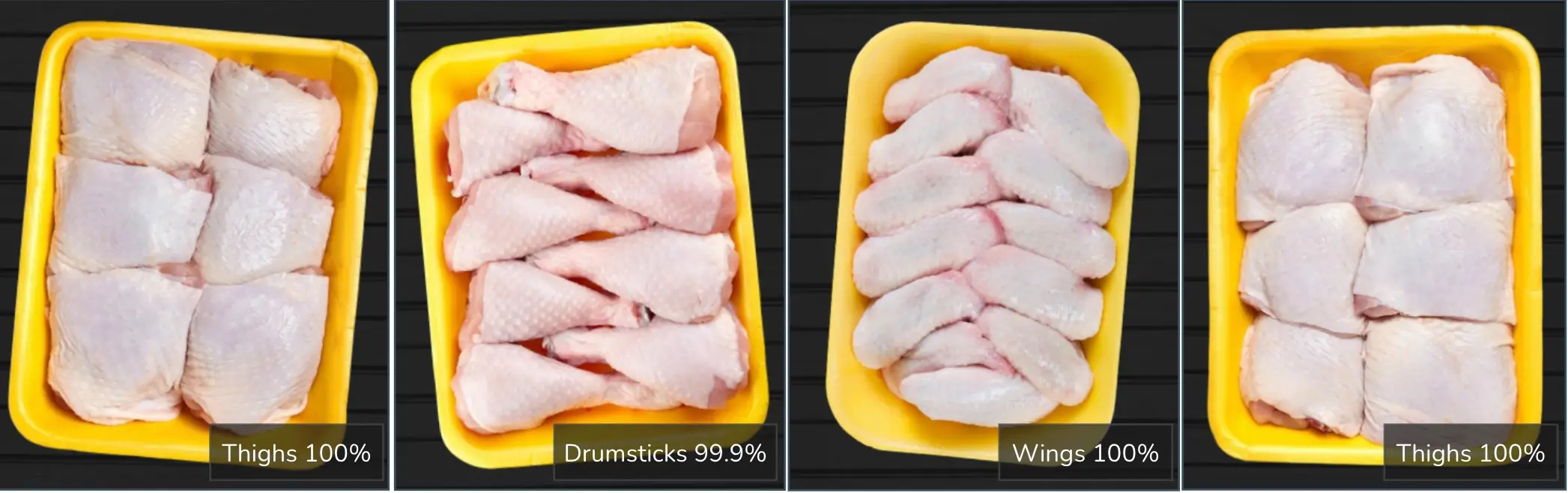
After packaging, products such as chicken thighs, drumsticks, or wings may need to be identified and sorted for logistics or distribution.
PEKAT VISION can classify packaged products directly, even when packaging materials introduce reflections, deformations, or visual noise. This enables automated sorting at the end of the line and ensures that products are correctly grouped for shipment.
Ask for a Free Feasibility Study
Packaging inspection tasks can vary significantly across industries, but with deep learning, you can handle them within a single, flexible solution. Whether you need to verify completeness, detect contamination, or identify damage, PEKAT VISION helps you achieve reliable and consistent results even in challenging conditions.
If you are considering automating your packaging inspection, we are happy to support you—feel free to reach out for a free feasibility study to evaluate your specific application.
Why PEKAT VISION
Ease of Use & Compatibility
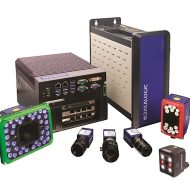
PEKAT VISION offers an intuitive and user friendly software environment. No programming knowledge is required as it already contains all the necessary modules for industrial visual inspection. It is compatible with many hardware brands, Windows® and Linux® operating systems and runs on embedded devices.
Fast Integration
Predefined output rules significantly speed up the integration process. Furthermore, we work closely with a number of partners throughout the globe that can help you with hardware selection based on your specific business requirements, and with smooth integration within your company-wide system.
Comprehensive Support

In order to find the best possible solution, we always strive to understand our customers’ specific needs first. Our goal is to make sure that our solution works for the customer. We offer a free feasibility study, free 30-day trial, support during and after the trial and implementation, and a comprehensive training.
And more! Ask for a free feasibility study for your specific case. Our software is highly versatile and can be customized to suit nearly any intended application.
Get In Touch
Do you need more information? Let us know, we will answer any question you may have.
PEKAT VISION is now part of Datalogic Group