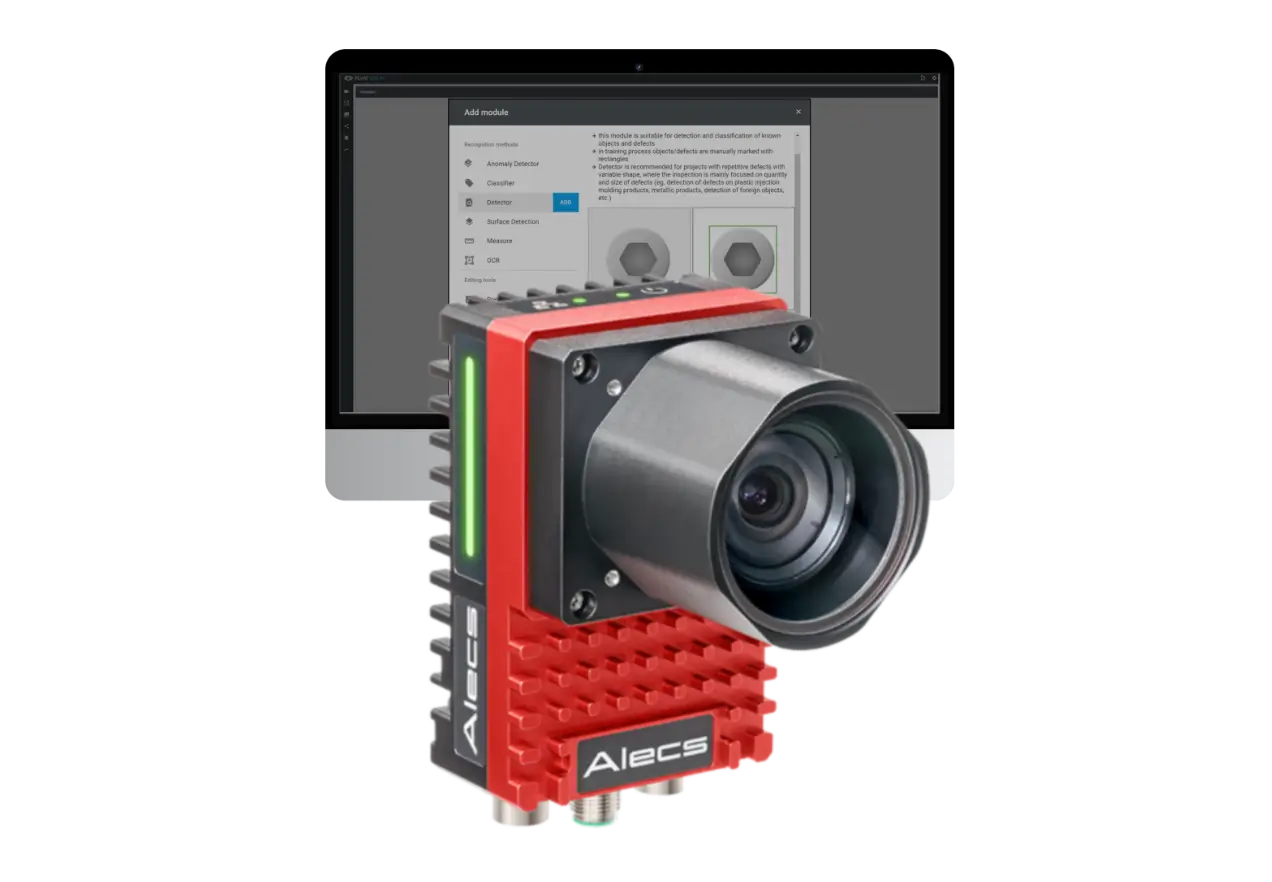
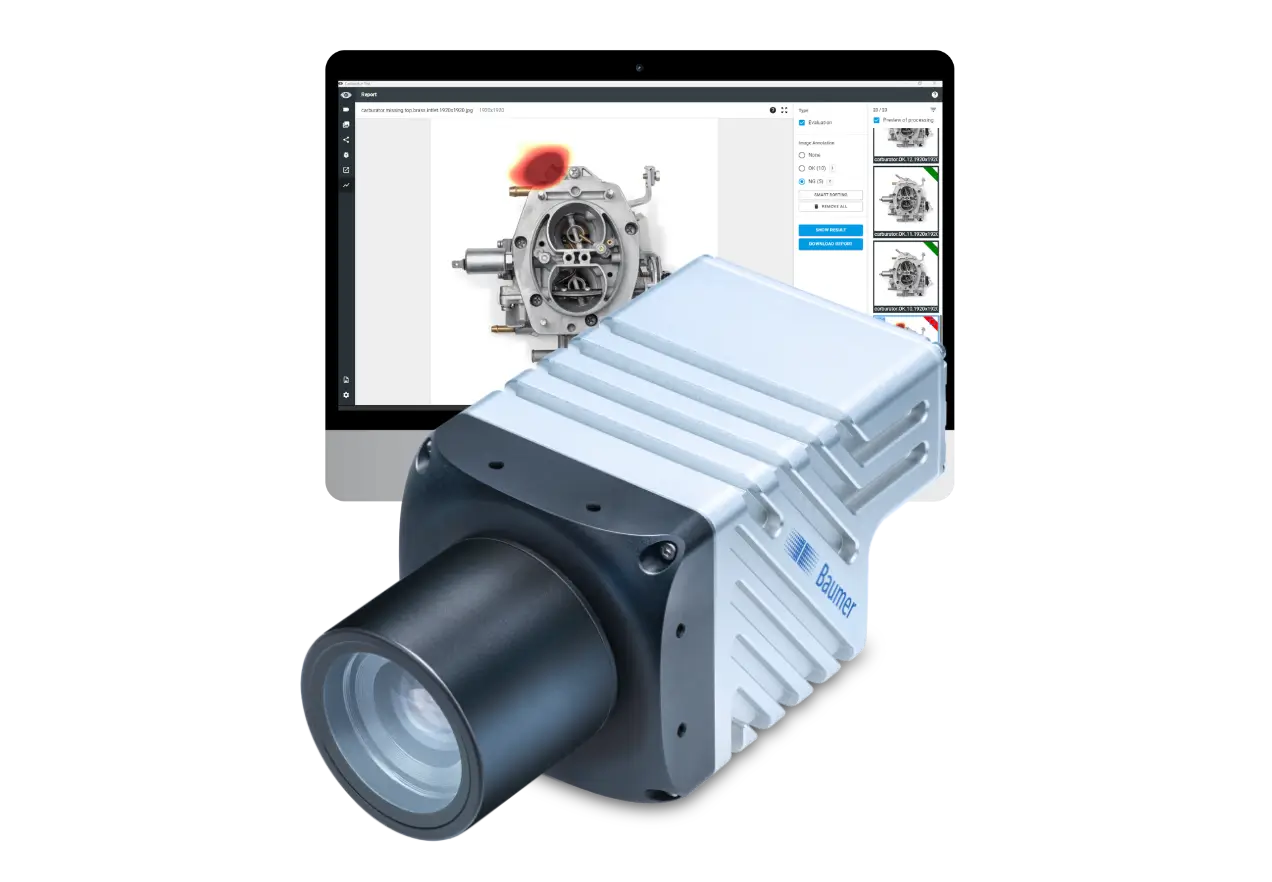
Deploying deep learning directly on a smart camera can significantly simplify machine vision projects by combining image acquisition, AI model training, and inference in a single device. PEKAT VISION has been fully tested and validated for two recommended smart camera platforms: the Baumer VAX-50 and Allied Vision Alecs.
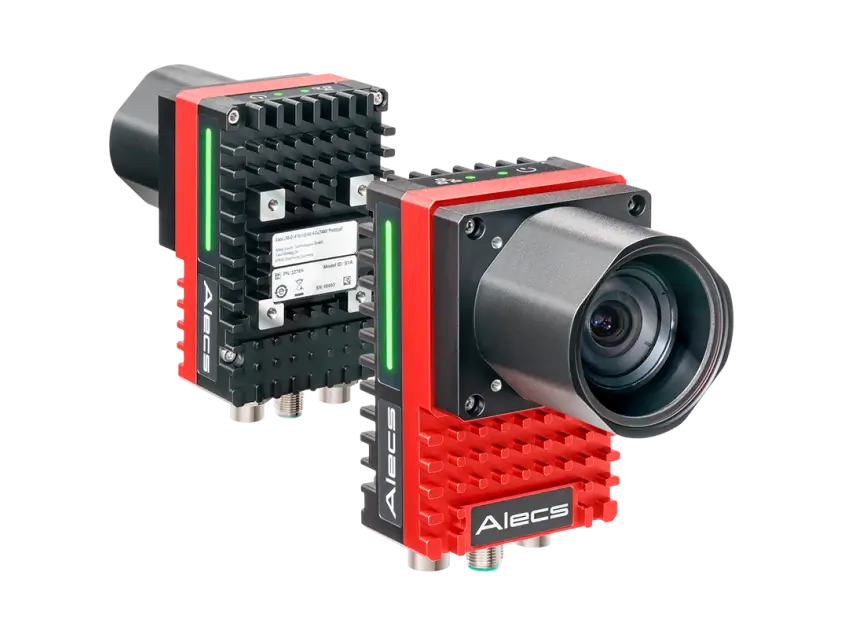
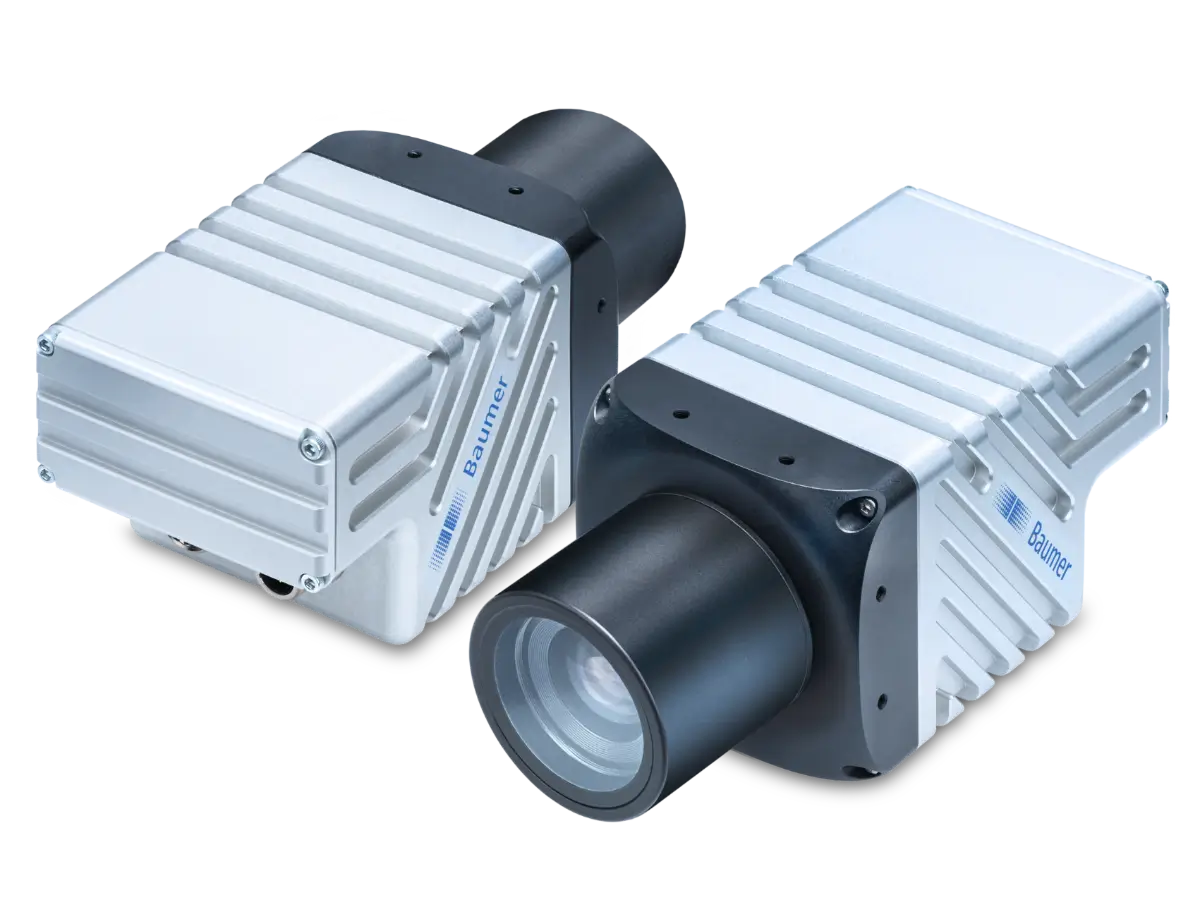
Although these cameras are supplied by our partners and are not sold directly by PEKAT VISION, we recommend them as proven platforms for running our software. They provide a compact and reliable way to bring AI-powered visual inspection directly to the production line.


PEKAT VISION Deep Learning Modules
PEKAT VISION is easy to install on compatible smart cameras, fully tested and validated for these platforms, and provides a complete edge AI solution for demanding visual inspection tasks.
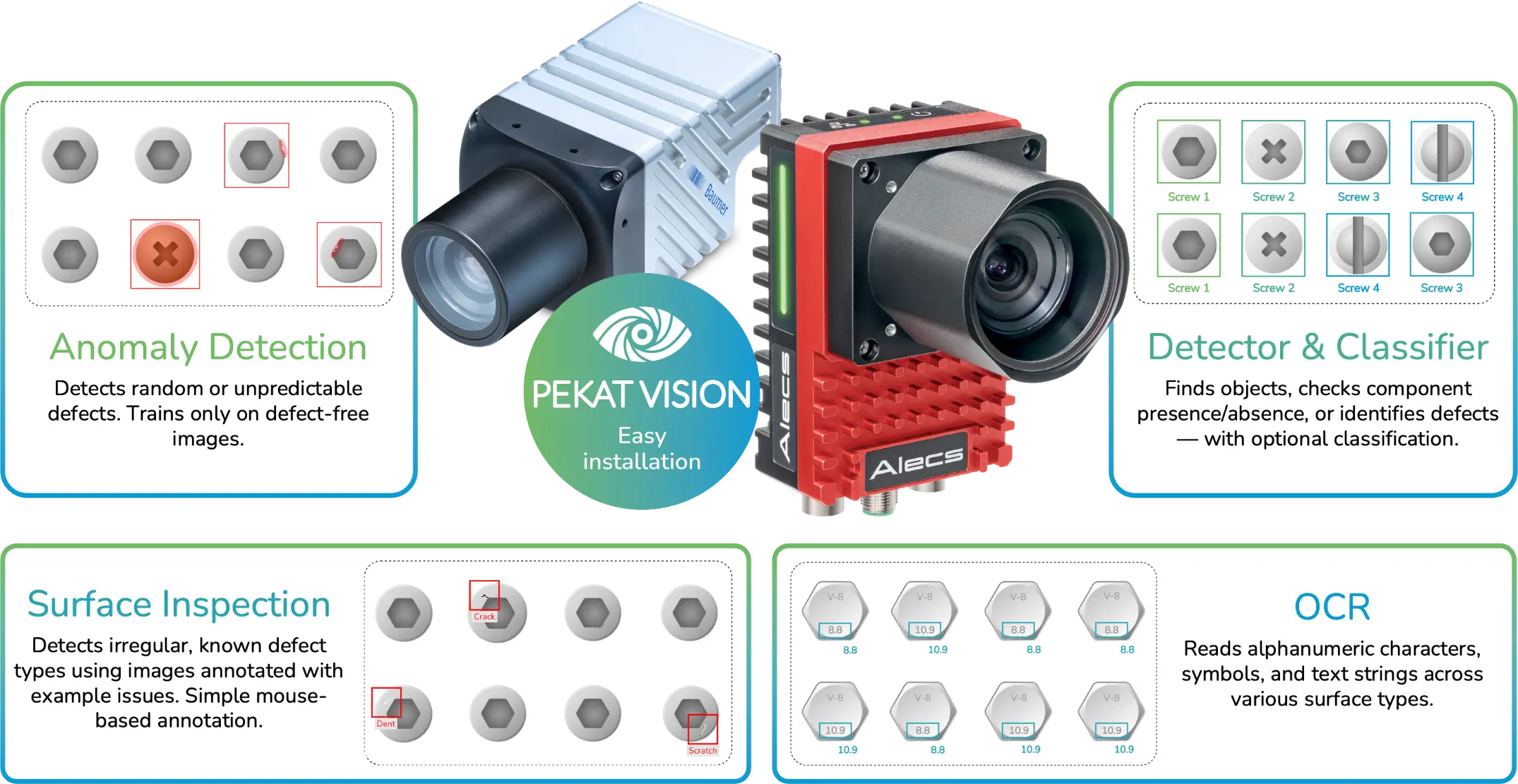
The software features two core approaches to AI training:
| Module Type | Description | Training Requirement |
|---|---|---|
| Anomaly Detection | Ideal for detecting random, unpredictable defects. This approach learns from defect-free images only. | No labeling needed — train using only good samples. |
| Object & Defect Detection (Detector, Classifier, Surface Detection, OCR) | Used when specific objects, features, or defect types must be identified or classified. | Requires manual annotation of examples (e.g., drawing boxes or labels). |
- Anomaly Detection is considered an unsupervised learning method because it doesn’t require defect data during training.
- Other modules like Detector, Classifier, and OCR are supervised learning methods that require examples of what the system should learn to recognize.
Smart Camera Operating Modes
PEKAT VISION supports two deployment workflows. AI models can be trained either directly on the smart camera or externally on a PC before being deployed to the camera:
A. Training
Option 1: ON-DEVICE TRAINING
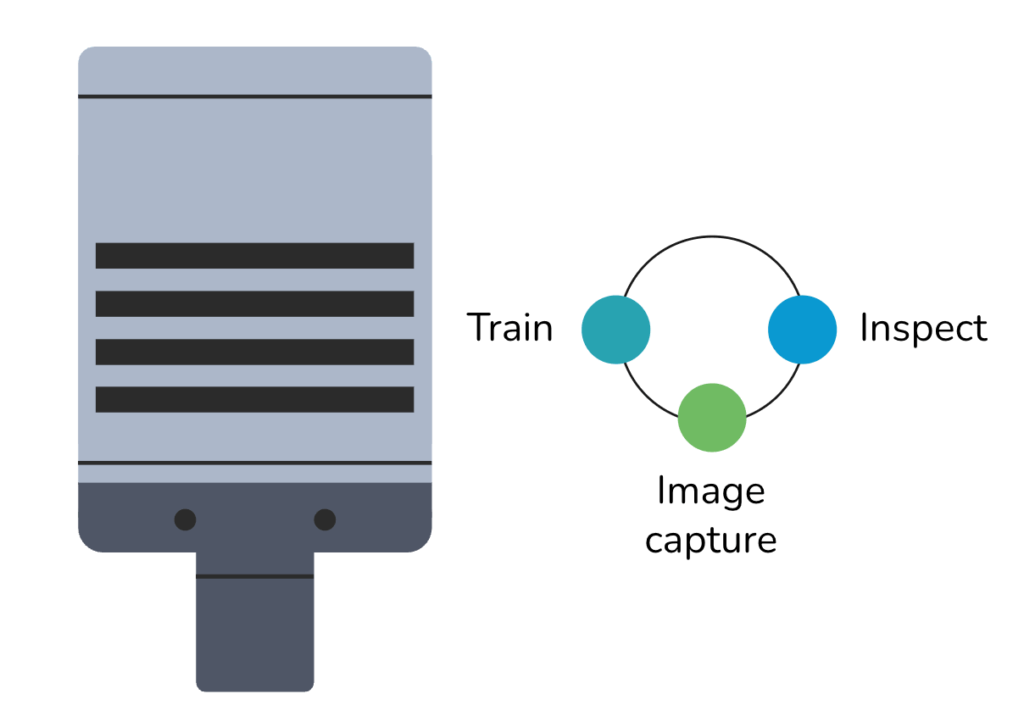
Training is performed directly on the camera through a web-based interface, using the integrated GPU. This method works with limited resolution and does not require an additional PEKAT VISION license.

Option 2: EXTERNAL TRAINING
Training is performed on a PC or laptop in full resolution and then exported to the camera. This method requires a PC or laptop equipped with an NVIDIA GPU and a separate PEKAT VISION license.
B. Inference
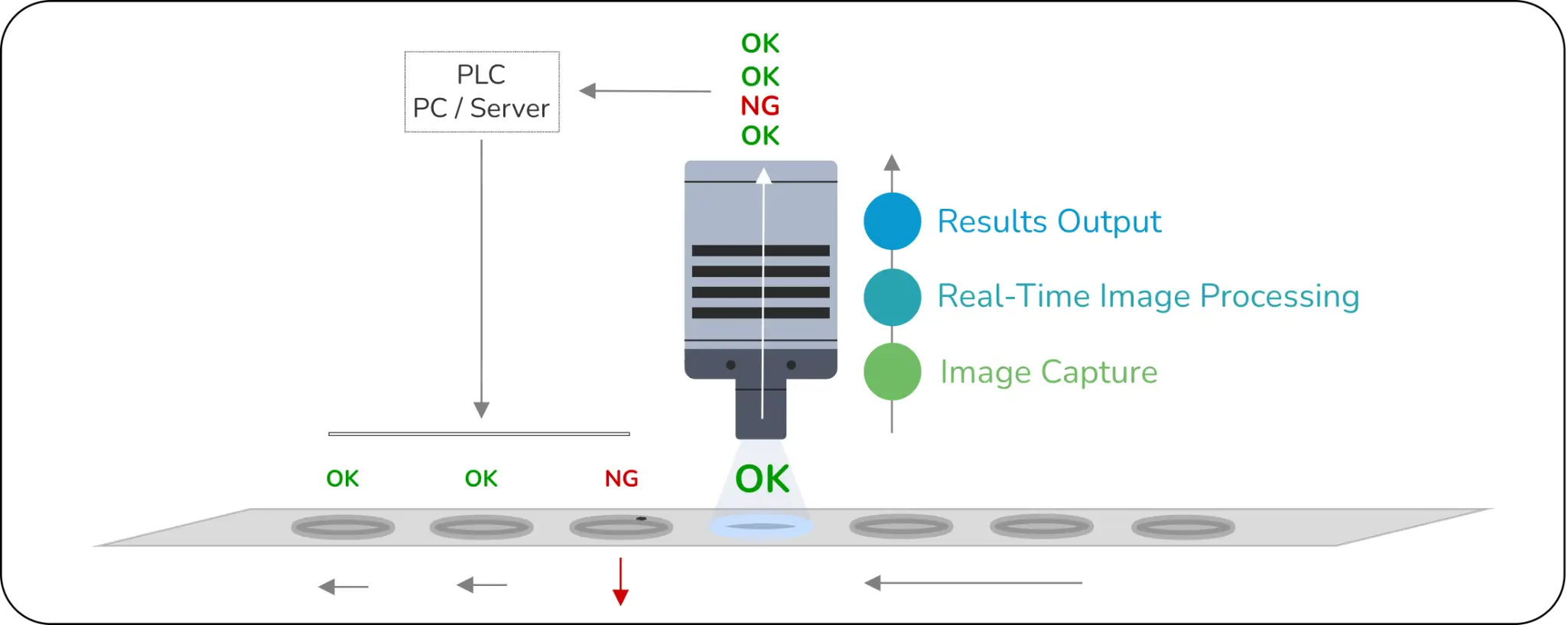
Once a trained model has been deployed, image acquisition and inference run entirely on the smart camera. The integrated GPU processes captured images in real time, enabling low-latency inspection without the need for an external PC. Results can be communicated directly to PLCs and automation systems, making smart cameras an efficient edge AI solution for industrial inspection.
Typical Applications of the Smart Cameras
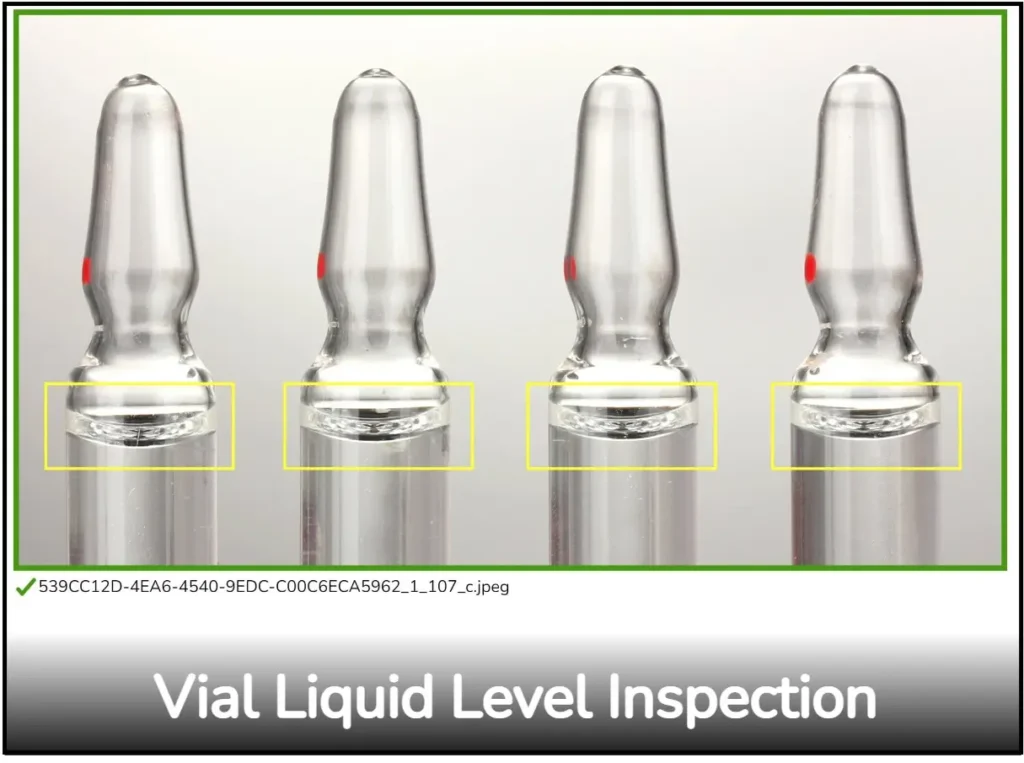
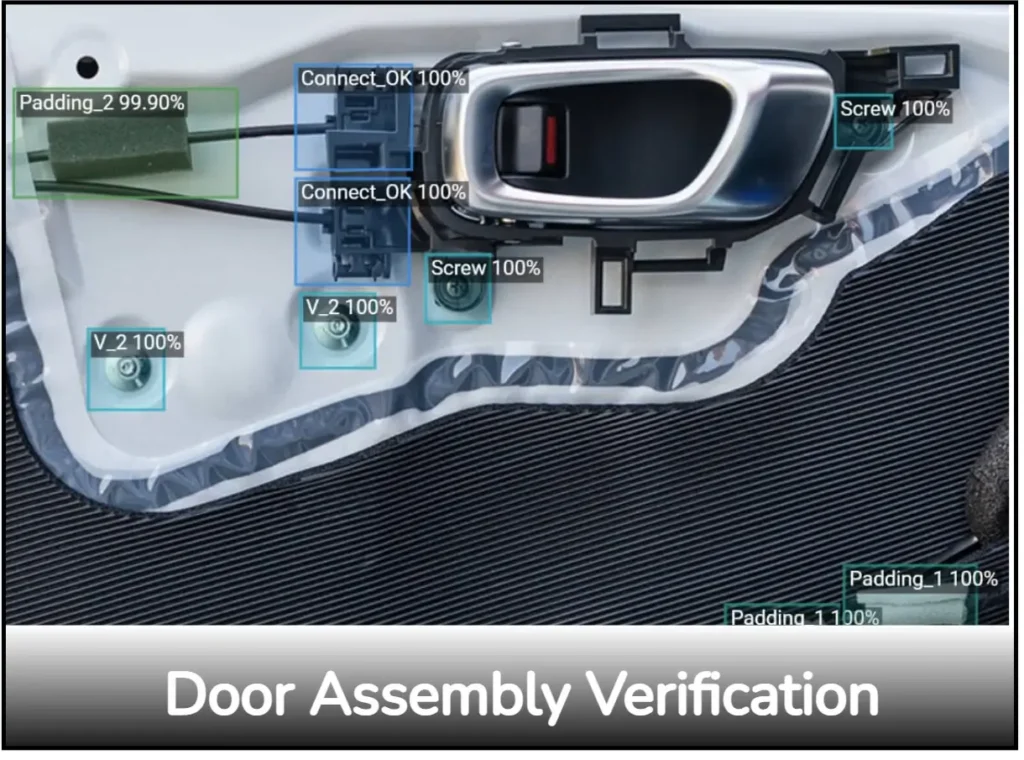
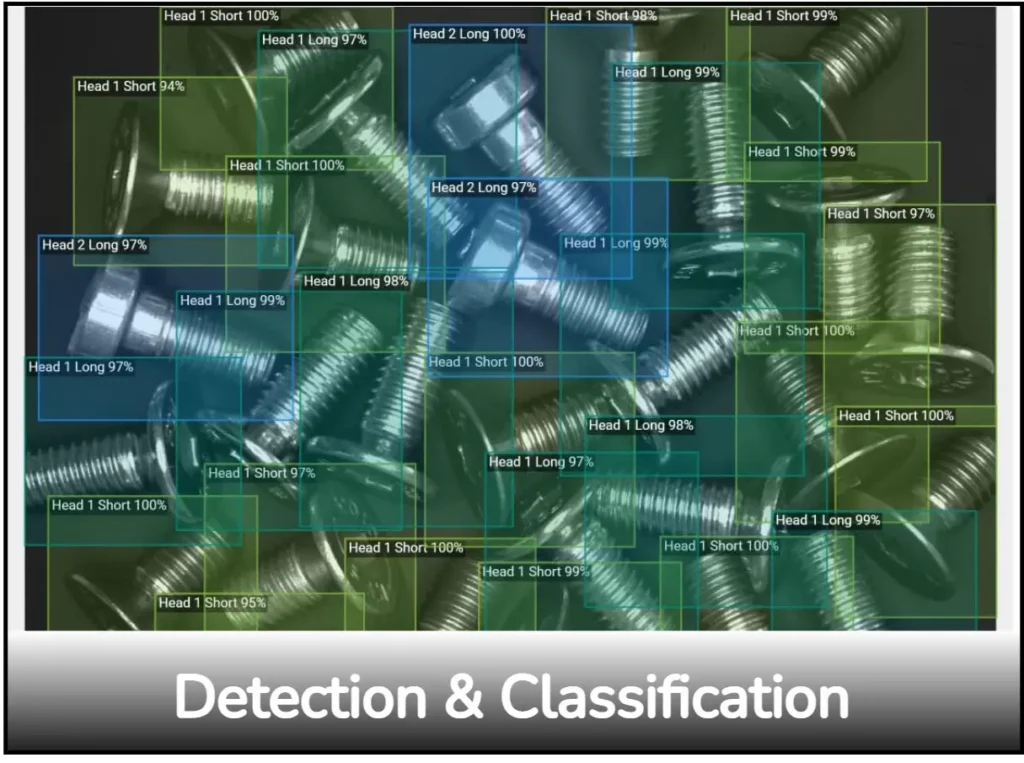
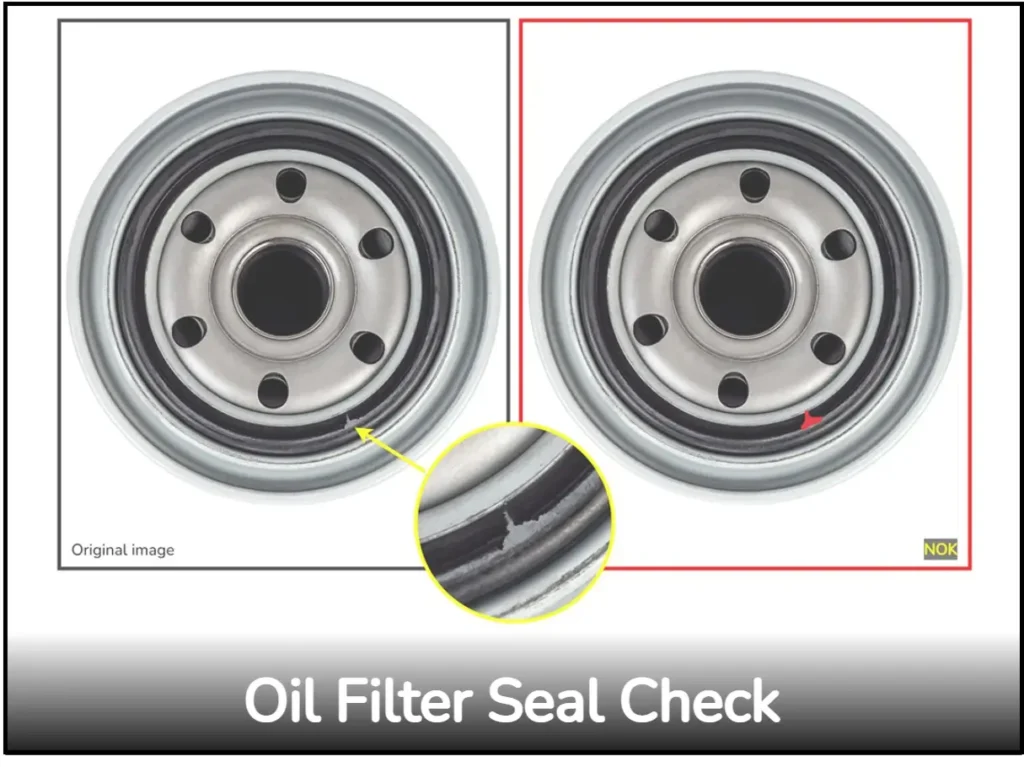
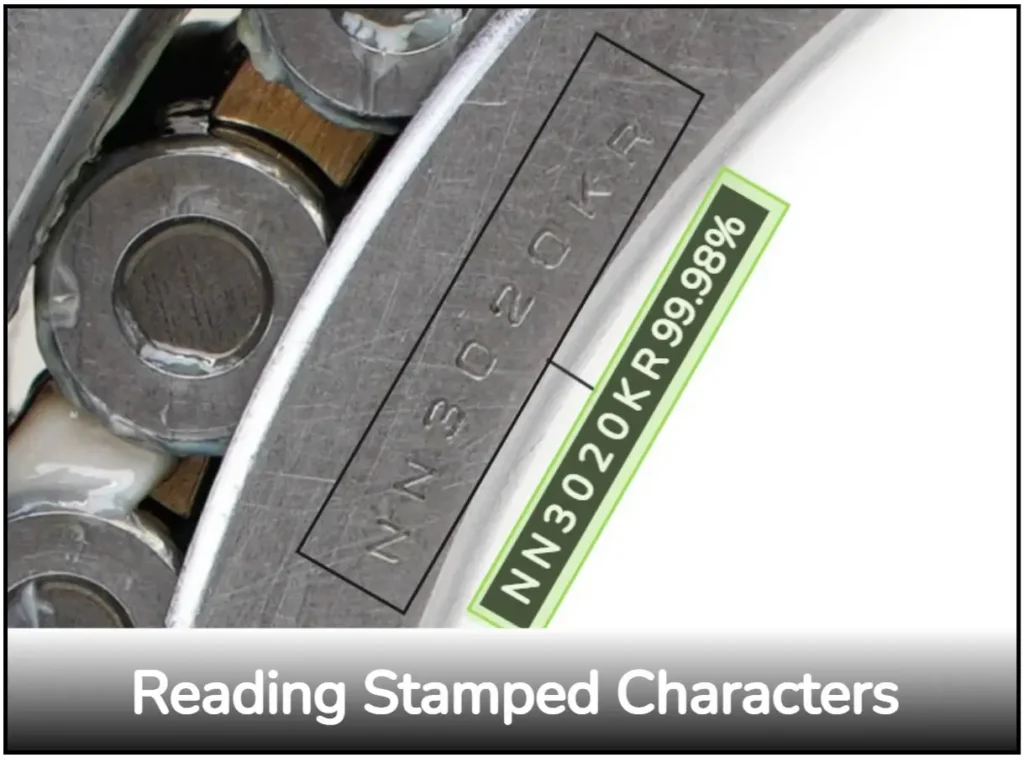
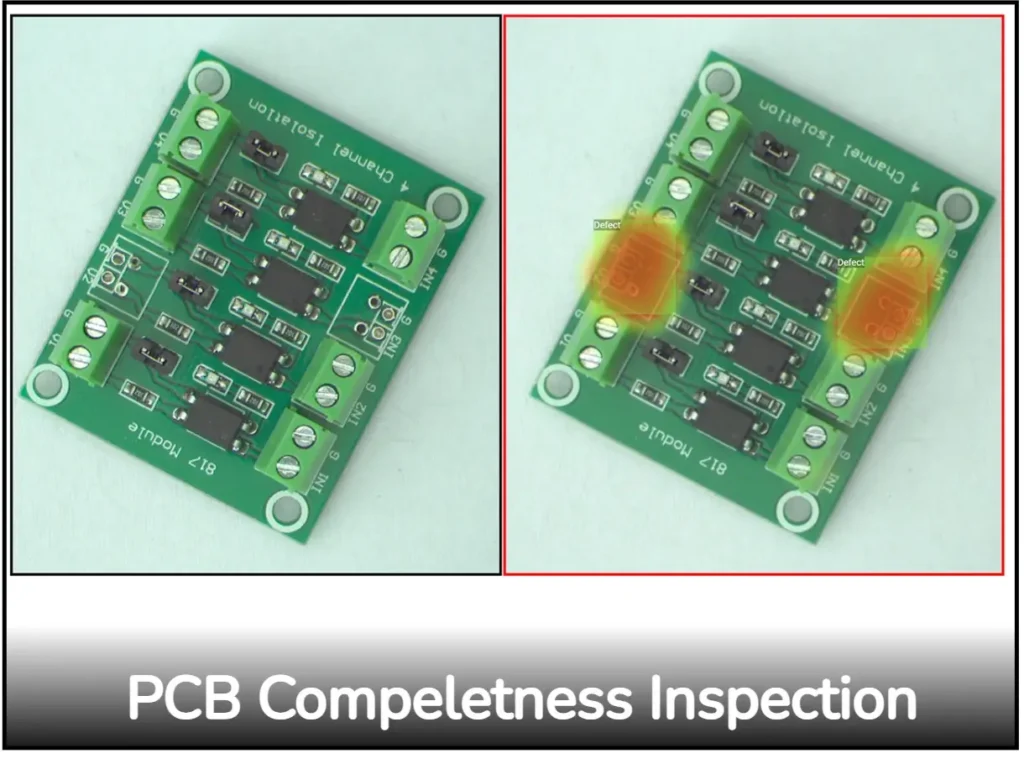
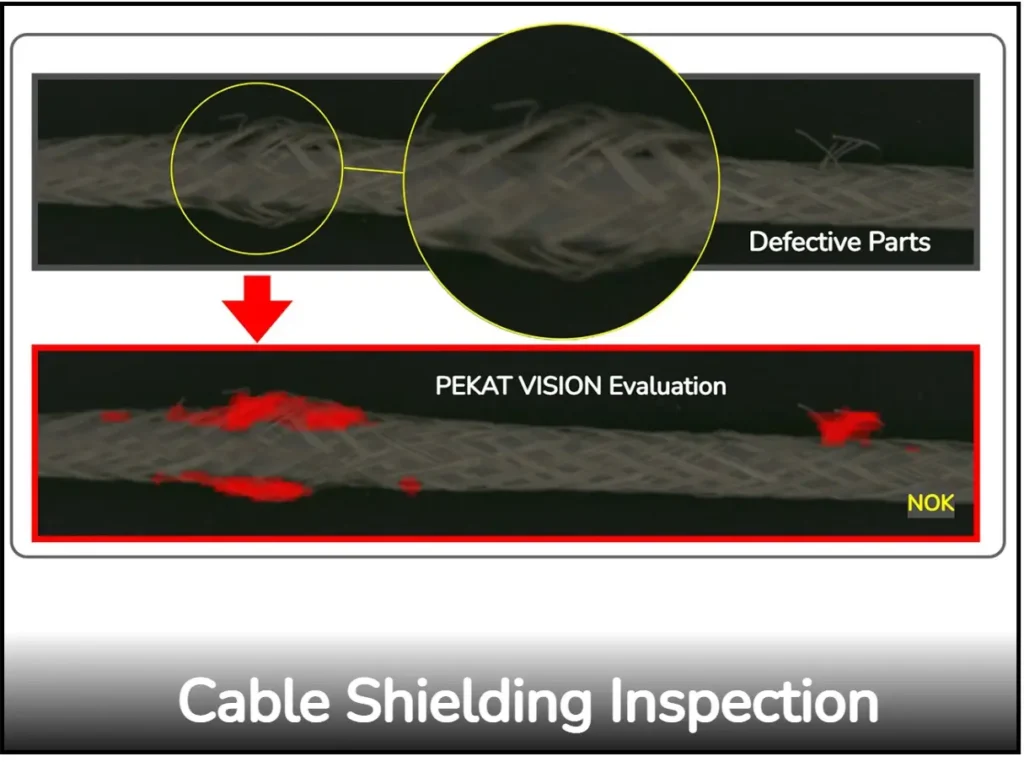
Smart cameras running PEKAT VISION can be used across a wide range of manufacturing industries. From presence verification and defect detection to OCR and quality inspection, the same hardware platform can solve many common machine vision tasks while keeping the system compact and easy to integrate.

Choose Your Smart Camera
PEKAT VISION is available for selected partner smart camera platforms, providing a compact and flexible way to deploy deep-learning-powered machine vision applications.
Both recommended smart camera platforms have been fully validated with PEKAT VISION and support the same deep learning workflows. The right choice depends primarily on your preferred hardware ecosystem, performance requirements, and existing automation environment. Learn more about each platform below.
Not sure which machine vision product to use?
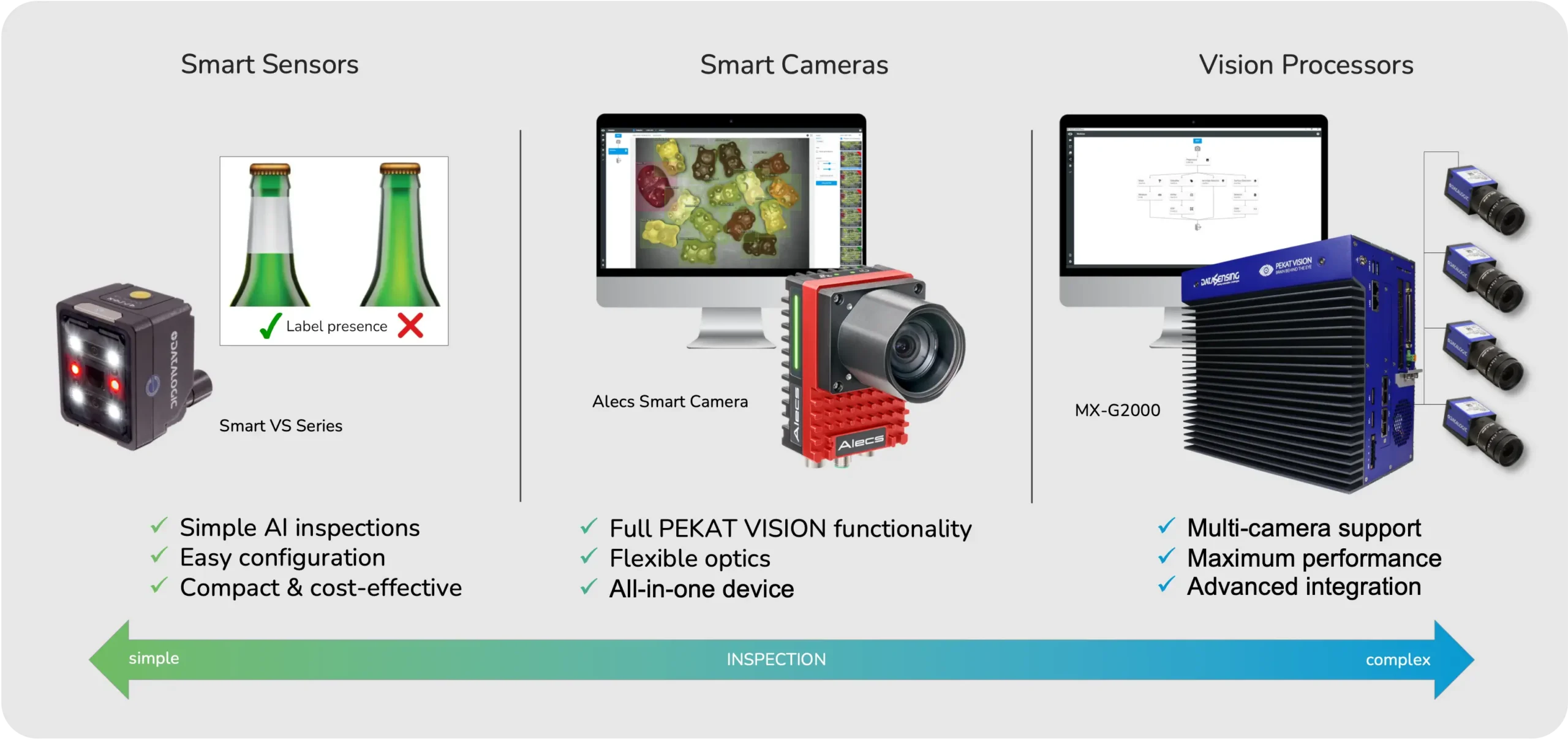
Different applications require different levels of performance, flexibility, and integration. Whether you need a compact AI sensor for simple inspections, a smart camera with on-device AI, or a powerful vision processor for demanding multi-camera applications, PEKAT VISION is available across the entire product portfolio. Compare the available platforms below to find the solution that best matches your application.
PEKAT VISION is a Datalogic company

